
MyEczema.app guide
Eczema Between Nose and Upper Lip: Practical Guide
eczema between nose and upper lip: practical tips for tracking triggers, building routines, and supporting eczema-prone skin.
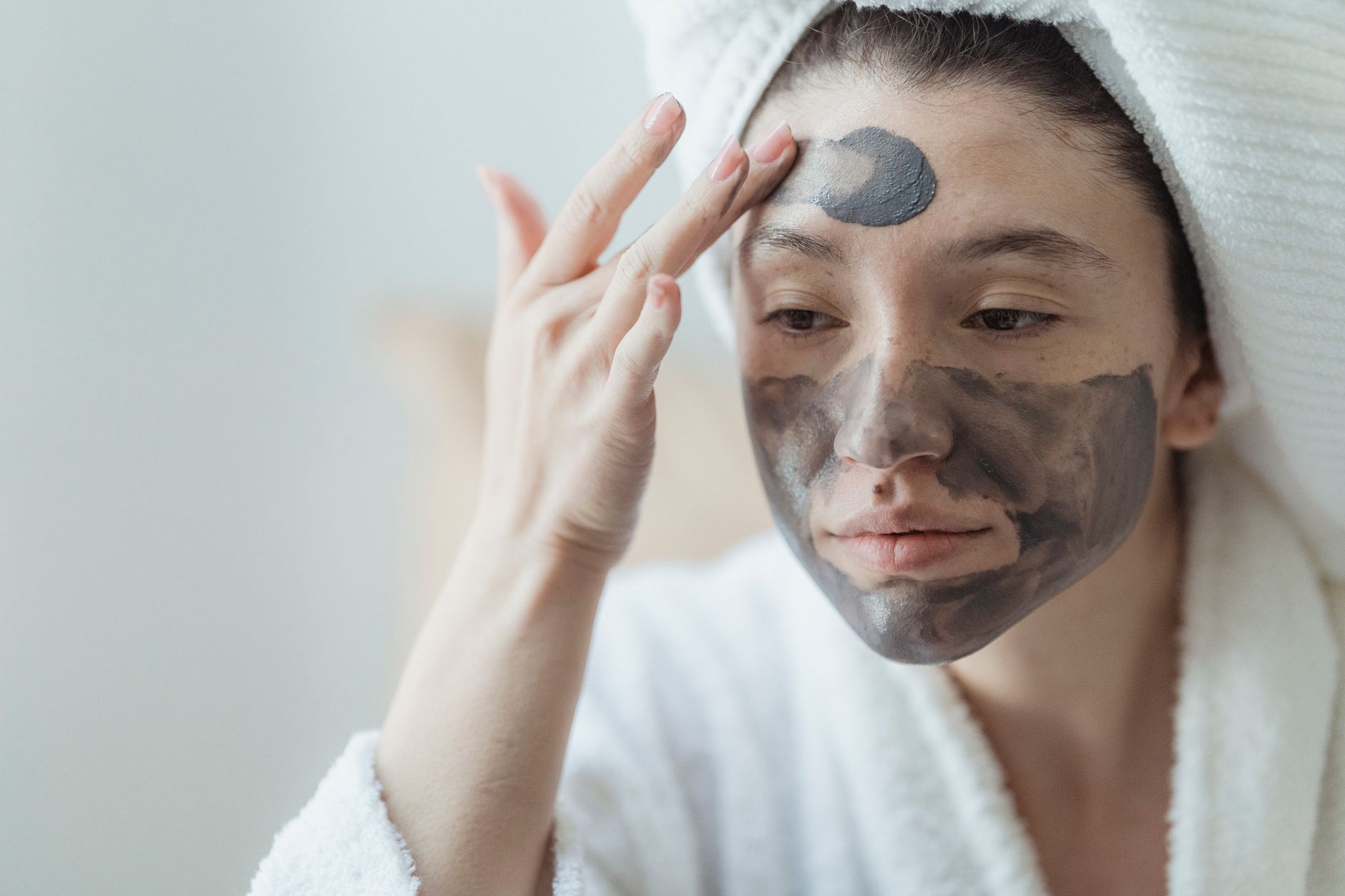
Table of contents
Use this guide as a practical reference and jump to the sections most relevant to you.
- Quick answer
- Key takeaways
- Practical comparison table
- Visual chart
- Related MyEczema.app tool
- Understanding Eczema Between the Nose and Upper Lip
- Common Triggers for Eczema Between the Nose and Upper Lip
- Developing a Targeted Skincare Routine
- Choosing the Right Moisturizers
- Avoiding Triggers to Prevent Flare-Ups
- When to Seek Professional Help
- Lifestyle Changes to Manage Eczema
- Case Studies: Real-Life Examples
- Myths and Facts About Eczema Between the Nose and Upper Lip
- The Future of Eczema Research and Treatment
- Frequently asked questions
- Sources and further reading
Eczema can show up in various places on the body, and one particularly bothersome area is between the nose and upper lip. This region is not only highly visible but also sensitive, making eczema flare-ups here especially challenging to manage. Understanding why eczema appears in this specific area can help you take effective steps to manage and alleviate symptoms.
Eczema-prone skin is often more susceptible to skin barrier disruption, irritants, climate changes, cleansing habits, allergens, and individual triggers. When it comes to the area between the nose and upper lip, these factors can be even more pronounced. For instance, frequent facial movements, exposure to environmental irritants, and the use of certain skincare products can exacerbate eczema in this region.
In this article, we’ll delve into the specific reasons why eczema might appear between the nose and upper lip. We’ll explore the common triggers, offer practical tips for managing symptoms, and discuss the importance of a targeted skincare routine. By the end, you’ll have a better understanding of how to care for this sensitive area and reduce the discomfort associated with eczema flare-ups.
Remember, while we provide helpful information and tips, it’s important to continue any prescribed treatments and consult with a healthcare professional for personalized advice. Now, let’s dive into the details of eczema between the nose and upper lip.
Quick answer
Eczema between the nose and upper lip often results from specific triggers and requires targeted skincare. Understanding these factors can help manage symptoms effectively.
Key takeaways
- Eczema in this area is often triggered by specific environmental and lifestyle factors.
- A targeted skincare routine can help manage and reduce symptoms.
- Identifying and avoiding triggers is crucial for preventing flare-ups.
- Moisturizing and protecting the skin are essential steps in managing eczema.
- Consulting a dermatologist can provide personalized advice and treatment options.
Comparing Skincare Products for Eczema Between the Nose and Upper Lip
| Situation | What it may mean | Practical next step |
|---|---|---|
| Dry skin | Lack of moisture | Use a rich, hydrating moisturizer |
| Redness and inflammation | Irritation or allergic reaction | Avoid potential irritants and use a gentle, anti-inflammatory product |
| Itching and scratching | Flare-up | Apply a soothing cream and consider a cool compress |
| Oily skin | Overproduction of sebum | Use a lightweight, non-comedogenic moisturizer |
| Sensitive skin | Heightened reactivity | Choose fragrance-free, hypoallergenic products |
Effectiveness of Skincare Routines for Eczema Between the Nose and Upper Lip
This visual is an educational guide, not a diagnostic score. Use it to decide what may be worth tracking more consistently for this specific topic.
Gentle cleansing reduces irritation
Regular moisturizing keeps skin hydrated
Sunscreen prevents UV damage
Identifying and avoiding triggers reduces flare-ups
Dermatologist consultations provide tailored solutions
Related MyEczema.app tool
Use the Eczema Skincare Routine Planner
The Eczema Skincare Routine Planner helps users organize morning, daytime, and evening routine steps for eczema-prone skin.
For this topic, this tool can help you organize information in a more structured way and turn daily observations into clearer patterns to review over time.
Understanding Eczema Between the Nose and Upper Lip
Eczema is a common skin condition that can appear in various parts of the body, including the face. When eczema develops between the nose and upper lip, it can be particularly noticeable and uncomfortable. This section aims to provide a comprehensive understanding of why eczema appears in this specific area and the importance of addressing it.
Overview of Eczema
Eczema, also known as atopic dermatitis, is a chronic inflammatory skin condition characterized by itchy, red, and often broken skin. It affects people of all ages but is more common in children. The exact cause of eczema is not fully understood, but it is believed to involve a combination of genetic and environmental factors. Eczema can flare up due to triggers such as allergens, irritants, stress, and changes in weather.
Importance of Facial Eczema
Facial eczema can be especially distressing because the face is a highly visible area. Eczema between the nose and upper lip can lead to self-consciousness and impact one’s quality of life. Moreover, the skin on the face is thinner and more sensitive than on other parts of the body, making it more prone to irritation and inflammation. Addressing facial eczema promptly and effectively is crucial to manage symptoms and prevent complications.
Common Triggers in This Area
Several factors can trigger eczema between the nose and upper lip. Understanding these triggers is the first step in managing and preventing flare-ups.
- Allergens: Common allergens such as pollen, pet dander, and dust mites can exacerbate eczema. When these allergens come into contact with the sensitive skin between the nose and upper lip, they can cause inflammation and itching.
- Irritants: Harsh skincare products, soaps, and detergents can irritate the skin in this area. Even certain ingredients in facial creams and makeup can trigger eczema flare-ups.
- Weather Changes: Extreme temperatures and low humidity can dry out the skin, leading to eczema. Cold, dry air in the winter and hot, humid conditions in the summer can both affect the skin between the nose and upper lip.
- Stress: Emotional stress is a well-known trigger for eczema. Stress can weaken the immune system and make the skin more susceptible to inflammation.
- Diet: Although less common, certain foods can trigger eczema in some individuals. Common culprits include dairy, eggs, nuts, and wheat.
Identifying and avoiding these triggers can help reduce the frequency and severity of eczema between the nose and upper lip. For example, using a gentle, fragrance-free moisturizer can help keep the skin hydrated and reduce irritation. Additionally, being mindful of environmental factors and managing stress through relaxation techniques can contribute to better eczema management.
In summary, eczema between the nose and upper lip is a specific concern that requires attention due to the visible nature of the area and the sensitivity of the skin. By understanding the common triggers and taking proactive steps to manage them, individuals can effectively reduce the impact of eczema on their lives.
Common Triggers for Eczema Between the Nose and Upper Lip
Eczema between the nose and upper lip can be particularly troublesome. This area is sensitive and prone to irritation. Understanding the specific triggers that can cause eczema in this region is crucial for managing symptoms and preventing flare-ups. Let’s explore the common triggers for eczema between the nose and upper lip, focusing on environmental factors, lifestyle habits, and allergic reactions.
Environmental Factors
Environmental factors play a significant role in triggering eczema between the nose and upper lip. These factors can exacerbate symptoms and lead to uncomfortable flare-ups.
Weather Changes
Extreme weather conditions can affect the skin’s barrier function. Cold, dry air in the winter can strip moisture from the skin, while hot, humid weather can cause excessive sweating and irritation. The area between the nose and upper lip is particularly vulnerable to these changes.
To mitigate the effects of weather changes, consider these practical steps:
- Moisturize Regularly: Use a gentle, fragrance-free moisturizer to keep the skin hydrated. Apply it multiple times a day, especially after washing your face.
- Use Humidifiers: In dry climates or during the winter months, use a humidifier to add moisture to the air.
- Protect Your Skin: When going outside in extreme weather, protect your face with a scarf or face mask to shield it from harsh conditions.
Pollution
Air pollution can irritate the skin and trigger eczema flare-ups. Pollutants can clog pores and cause inflammation, making the skin between the nose and upper lip more prone to eczema.
To reduce exposure to pollution:
- Wash Your Face: Cleanse your face thoroughly at the end of the day to remove pollutants and dirt.
- Avoid Peak Pollution Times: If possible, limit outdoor activities during times of high pollution.
- Use Protective Skincare: Apply a gentle, non-comedogenic sunscreen to protect your skin from environmental damage.
Lifestyle Habits
Certain lifestyle habits can contribute to eczema between the nose and upper lip. Being aware of these habits and making adjustments can help manage symptoms.
Diet
While specific foods do not directly cause eczema, certain dietary choices can influence skin health. Foods high in omega-3 fatty acids, like salmon and flaxseeds, can help reduce inflammation. Conversely, highly processed foods and excessive sugar may exacerbate eczema symptoms.
Consider these dietary tips:
- Incorporate Anti-Inflammatory Foods: Include more fruits, vegetables, and healthy fats in your diet.
- Stay Hydrated: Drink plenty of water to keep your skin hydrated from the inside out.
- Monitor Food Sensitivities: Keep a food diary to identify any potential triggers and discuss them with a healthcare provider.
Stress
Stress is a well-known trigger for eczema. When you’re stressed, your body releases hormones that can worsen inflammation and lead to flare-ups. The skin between the nose and upper lip is particularly sensitive to these changes.
To manage stress:
- Practice Relaxation Techniques: Engage in activities like yoga, meditation, or deep breathing exercises.
- Get Regular Exercise: Physical activity can help reduce stress levels and improve overall well-being.
- Seek Support: Talk to friends, family, or a counselor about your stress to find healthy ways to cope.
Allergic Reactions
Allergies can significantly impact the skin, especially in sensitive areas like between the nose and upper lip. Identifying and avoiding allergens is crucial for managing eczema in this region.
Contact Allergens
Certain substances can cause allergic reactions when they come into contact with the skin. Common contact allergens include nickel, fragrances, and preservatives found in skincare products.
To avoid contact allergens:
- Choose Hypoallergenic Products: Opt for fragrance-free, dye-free, and hypoallergenic skincare products.
- Patch Test New Products: Before using a new product on your face, perform a patch test on a small area of skin to check for reactions.
- Avoid Known Allergens: If you’re aware of specific allergens that trigger your eczema, take steps to avoid them.
Food Allergies
Although food allergies are less common than contact allergies, they can still trigger eczema flare-ups. Common food allergens include dairy, eggs, nuts, and wheat.
To manage food allergies:
- Keep a Food Diary: Track your diet and note any changes in your eczema symptoms.
- Consult an Allergist: If you suspect a food allergy, seek professional advice to confirm and manage it.
- Read Labels Carefully: Always check ingredient lists for potential allergens, especially in processed foods.
Seasonal Allergies
Seasonal allergies, such as hay fever, can exacerbate eczema symptoms. Pollen and other airborne allergens can irritate the skin, leading to increased itching and inflammation.
To manage seasonal allergies:
- Use Air Purifiers: Keep indoor air clean with air purifiers to reduce allergen exposure.
- Take Antihistamines: Consult a healthcare provider about using antihistamines to manage allergy symptoms.
- Limit Outdoor Activities: During peak allergy seasons, try to limit time spent outdoors, especially on windy days.
By understanding and addressing these common triggers, you can better manage eczema between the nose and upper lip. Remember, everyone’s skin is different, so it may take some trial and error to find what works best for you. Always consult with a healthcare provider for personalized advice and treatment options.
Developing a Targeted Skincare Routine
Eczema between the nose and upper lip requires a specialized skincare routine to manage symptoms effectively. This sensitive area needs gentle yet thorough care to prevent flare-ups and maintain skin health. Let’s explore a step-by-step guide to creating an effective skincare routine tailored for this specific area.
1. Cleansing
Cleansing is the first and crucial step in any skincare routine, especially for eczema between the nose and upper lip. The goal is to remove dirt, oil, and impurities without stripping the skin of its natural moisture.
- Choose a Gentle Cleanser: Opt for a mild, fragrance-free cleanser. Harsh soaps can irritate the skin and exacerbate eczema symptoms. Look for products labeled “eczema-friendly” or “hypoallergenic.”
- Use Lukewarm Water: Hot water can dry out the skin, so it’s best to use lukewarm water when cleansing. This helps preserve the skin’s natural oils.
- Pat Dry: After cleansing, gently pat your face dry with a soft towel. Avoid rubbing, as this can irritate the skin.
2. Moisturizing
Moisturizing is vital for managing eczema between the nose and upper lip. A good moisturizer helps to lock in hydration and create a barrier against irritants.
- Select a Suitable Moisturizer: Look for a moisturizer that is specifically designed for sensitive skin. Ingredients like ceramides, hyaluronic acid, and glycerin can be particularly beneficial.
- Apply Immediately After Cleansing: To maximize moisture retention, apply your moisturizer right after cleansing while the skin is still slightly damp.
- Use a Fingertip Amount: A small amount of moisturizer goes a long way. Use about a fingertip amount for the area between the nose and upper lip.
- Reapply as Needed: Depending on your skin’s needs, you may need to reapply moisturizer throughout the day, especially if you notice your skin feeling dry or tight.
3. Protecting the Skin
Protecting the skin from external irritants and environmental factors is crucial for preventing eczema flare-ups between the nose and upper lip.
- Sun Protection: Even though this area is small, it’s still important to protect it from the sun. Use a gentle, broad-spectrum SPF 30 or higher sunscreen. Look for products that are labeled “non-comedogenic” and “fragrance-free.”
- Avoid Harsh Products: Steer clear of products with alcohol, fragrances, and other potential irritants. These can aggravate eczema and cause flare-ups.
- Be Mindful of Environmental Factors: Cold, dry weather can exacerbate eczema. Using a humidifier in your home can help maintain moisture levels in the air, which in turn helps keep your skin hydrated.
- Consider a Barrier Repair Cream: For added protection, you might want to incorporate a barrier repair cream into your routine. These creams help strengthen the skin’s natural barrier and can be particularly useful for sensitive areas like the skin between the nose and upper lip.
By following these steps, you can create a targeted skincare routine that helps manage eczema between the nose and upper lip. Remember, everyone’s skin is different, so it may take some trial and error to find the products and routines that work best for you. Always consult with a dermatologist if you have persistent or severe symptoms.
In addition to your skincare routine, being aware of potential triggers and making lifestyle adjustments can further help in managing eczema between the nose and upper lip. Keeping a diary of your symptoms and possible triggers can also be a useful tool in identifying what exacerbates your eczema and what helps alleviate it.
Lastly, it’s important to be patient and consistent with your skincare routine. Managing eczema is a long-term commitment, but with the right approach, you can significantly improve the health and appearance of your skin.
Choosing the Right Moisturizers
Moisturizers are a cornerstone in managing eczema between the nose and upper lip. This area is particularly sensitive, making the choice of moisturizer crucial. Let’s explore the types of moisturizers, ingredients to look for, and application tips to help you find the best product for your needs.
Types of Moisturizers
When it comes to moisturizers, you’ll find a variety of options. The main types include creams, lotions, ointments, and balms. Each type has its own benefits and is suited for different skin conditions and preferences.
- Creams: These are semi-thick and provide good hydration without being too heavy. They are ideal for daily use on facial eczema, including the area between the nose and upper lip.
- Lotions: Lotions are lighter and more suitable for less severe cases of eczema. They are easily absorbed but may not offer the same level of hydration as creams.
- Ointments: These are thick and greasy, providing a strong barrier to lock in moisture. They are excellent for severe eczema flare-ups but can be too heavy for daily use on the face.
- Balms: Balms are similar to ointments but often contain additional soothing ingredients. They are great for spot treatment but may be too rich for regular use on the entire face.
Ingredients to Look For
Choosing the right ingredients in your moisturizer can make a significant difference in managing eczema between the nose and upper lip. Here are some key ingredients to consider:
- Ceramides: These lipids help restore the skin’s natural barrier, which is often compromised in eczema. Look for moisturizers that contain ceramides to help strengthen your skin.
- Hyaluronic Acid: This ingredient is excellent for hydration. It can hold up to 1,000 times its weight in water, making it a powerful moisturizer for dry, eczema-prone skin.
- Glycerin: Another great humectant, glycerin attracts moisture from the environment to keep your skin hydrated.
- Aloe Vera: Known for its soothing properties, aloe vera can help calm irritated skin and reduce inflammation.
- Colloidal Oatmeal: This ingredient is gentle and helps to relieve itching and irritation. It also provides a protective barrier for the skin.
- Niacinamide: This form of vitamin B3 can help reduce inflammation and improve the overall appearance of the skin.
Avoid moisturizers with fragrances, dyes, and alcohol, as these can irritate the skin and trigger eczema flare-ups.
Application Tips
How you apply your moisturizer can impact its effectiveness. Here are some tips to ensure you get the most out of your moisturizer:
- Apply Immediately After Washing: Moisturize your skin while it’s still damp from washing. This helps to lock in moisture.
- Use Gentle, Circular Motions: Apply the moisturizer using gentle, circular motions to avoid irritating the sensitive skin between your nose and upper lip.
- Layer If Necessary: If your skin is very dry, you might need to layer your moisturizer. Start with a heavier ointment or balm, then follow up with a lighter cream or lotion.
- Be Consistent: Use your moisturizer at least twice a day, or more often if needed, to keep your skin hydrated and reduce the likelihood of eczema flare-ups.
- Patch Test New Products: Before applying a new moisturizer to your face, do a patch test on a small area of skin to ensure you don’t have an adverse reaction.
In summary, choosing the right moisturizer is essential for managing eczema between the nose and upper lip. By understanding the different types of moisturizers, looking for beneficial ingredients, and following proper application techniques, you can help keep your skin hydrated and reduce the frequency and severity of eczema flare-ups in this sensitive area.
Avoiding Triggers to Prevent Flare-Ups
When dealing with eczema between the nose and upper lip, understanding and avoiding triggers is essential. This section will guide you through practical steps to identify and minimize exposure to common triggers that can exacerbate this specific type of facial eczema.
Environmental Changes
Environmental factors play a significant role in triggering eczema flare-ups. Here are some key changes you can make:
- Humidity: Dry air can worsen eczema. Using a humidifier in your home, especially during winter, can help maintain moisture levels and reduce flare-ups. Aim for a humidity level between 40-50%.
- Temperature: Extreme temperatures can irritate the skin. Avoid prolonged exposure to hot or cold environments. When going outside, protect your face with a scarf or face mask in cold weather and stay in air-conditioned spaces during hot weather.
- Pollutants: Air pollution and smoke can trigger eczema. If possible, limit your exposure to polluted environments. Use air purifiers at home to reduce indoor pollutants.
Lifestyle Adjustments
Certain lifestyle habits can either help or hinder your efforts to manage eczema between the nose and upper lip. Consider these adjustments:
- Stress Management: Stress is a known trigger for eczema. Incorporate stress-reducing activities into your routine, such as yoga, meditation, or regular exercise. Even short breaks throughout the day can help manage stress levels.
- Diet: While specific foods do not cause eczema, some individuals find that certain foods can trigger flare-ups. Keep a food diary to identify any potential triggers and discuss them with a healthcare provider.
- Sleep: Ensure you get adequate sleep, as lack of sleep can exacerbate eczema symptoms. Create a calming bedtime routine to improve sleep quality.
Allergen Avoidance
Identifying and avoiding allergens is crucial for preventing eczema flare-ups. Here’s how you can approach this:
- Common Allergens: Common allergens include pollen, pet dander, and dust mites. If you suspect an allergen is triggering your eczema, consider getting an allergy test to identify specific triggers.
- Pet Care: If you have pets, keep them out of your bedroom and consider using allergen-proof covers for pillows and mattresses. Regular grooming and bathing of pets can also reduce allergens.
- Household Products: Be mindful of the products you use around your home. Opt for fragrance-free and hypoallergenic cleaning products, detergents, and skincare items. This can significantly reduce the risk of irritation.
By making these environmental changes, lifestyle adjustments, and allergen avoidance strategies, you can create a more eczema-friendly environment. This proactive approach can help minimize the frequency and severity of eczema between the nose and upper lip, allowing you to enjoy clearer skin and greater comfort.
Remember, everyone’s triggers are different. It may take some time to identify what specifically affects your eczema. Keeping a detailed diary of your symptoms and potential triggers can be incredibly helpful in pinpointing the exact causes and avoiding them in the future.
When to Seek Professional Help
While managing eczema between the nose and upper lip can often be done with a good skincare routine and avoidance of triggers, there are times when professional help becomes essential. Knowing when to seek a dermatologist’s advice can make a significant difference in effectively managing this condition.
Signs of Severe Eczema
If your eczema between the nose and upper lip shows signs of severity, it’s important to consult a dermatologist. Severe eczema may present with:
- Intense itching: If the itching is relentless and interferes with your daily activities or sleep.
- Persistent redness: When the area remains red and inflamed despite your best efforts.
- Cracking or bleeding: If the skin starts to crack, bleed, or ooze, this could indicate a severe flare-up or infection.
- Spreading: If the eczema starts to spread to other areas of your face or body.
- Thickened skin: Known as lichenification, this occurs when the skin becomes thick and leathery from constant scratching.
These signs suggest that your eczema may require more than over-the-counter treatments and home care.
Benefits of Professional Advice
A dermatologist can provide several benefits when dealing with eczema between the nose and upper lip:
- Accurate diagnosis: A professional can confirm that what you’re experiencing is indeed eczema and not another skin condition.
- Personalized treatment plan: Dermatologists can create a tailored treatment plan based on the severity and specific characteristics of your eczema.
- Access to prescription medications: These may include stronger topical steroids, calcineurin inhibitors, or other medications that aren’t available over the counter.
- Expert guidance: Professionals can offer advice on the best skincare routines, moisturizers, and lifestyle changes to manage your eczema effectively.
- Monitoring for complications: Dermatologists can monitor for potential complications such as infections, which require prompt treatment.
For instance, someone with severe eczema between the nose and upper lip might be prescribed a short course of a mild topical steroid to reduce inflammation and itching, along with an antimicrobial cream to prevent infection.
Treatment Options
When you visit a dermatologist for eczema between the nose and upper lip, they may suggest several treatment options:
- Topical corticosteroids: These are often the first line of treatment for reducing inflammation and itching. They come in various strengths, and your dermatologist will prescribe the appropriate one for your condition.
- Calcineurin inhibitors: These are non-steroid creams that can be particularly useful for sensitive areas like the face.
- Moisturizers: Even with prescription treatments, maintaining a good skincare routine with moisturizers is crucial. Your dermatologist can recommend specific products that won’t irritate your skin.
- Antihistamines: These can help reduce itching, especially if it’s severe enough to disrupt your sleep.
- Phototherapy: In some cases, light therapy might be recommended, though this is less common for facial eczema.
- Biologics: For very severe cases that don’t respond to other treatments, biologic medications might be an option. These are administered via injection.
It’s important to follow your dermatologist’s advice closely and attend all follow-up appointments to monitor your progress and adjust treatments as needed.
In conclusion, while managing eczema between the nose and upper lip can often be handled with a diligent skincare routine and trigger avoidance, recognizing when to seek professional help is crucial. Severe symptoms, the need for a personalized treatment plan, and access to prescription medications are all compelling reasons to consult a dermatologist. With the right professional guidance, you can better manage your eczema and improve your quality of life.
Lifestyle Changes to Manage Eczema
Managing eczema between the nose and upper lip involves more than just topical treatments and medications. Making certain lifestyle changes can significantly help in managing symptoms and reducing the frequency of flare-ups. This section will explore three key areas: diet and nutrition, stress management, and sleep habits.
Diet and Nutrition
What you eat can influence your eczema symptoms. Although there is no one-size-fits-all diet for eczema, certain foods may trigger or exacerbate symptoms for some individuals.
- Identifying Trigger Foods: Keep a food diary to track what you eat and any subsequent eczema flare-ups. Common triggers include dairy, gluten, nuts, and eggs. If you notice a pattern, consider reducing or eliminating these foods from your diet.
- Anti-Inflammatory Foods: Incorporate more anti-inflammatory foods into your diet. These include fatty fish (like salmon and mackerel), fruits (such as berries and cherries), vegetables (like spinach and kale), and nuts (such as almonds and walnuts). These foods can help reduce inflammation, which may alleviate eczema symptoms.
- Hydration: Drinking plenty of water is crucial. Hydrated skin is less prone to dryness and irritation, which can help manage eczema between the nose and upper lip.
For example, if you find that dairy products seem to worsen your eczema, try substituting them with plant-based alternatives like almond milk or soy milk. Additionally, incorporating omega-3 fatty acids found in fish can help reduce inflammation.
Stress Management
Stress is a well-known trigger for eczema flare-ups. Managing stress effectively can help keep your eczema under control.
- Mindfulness and Meditation: Practices like mindfulness and meditation can help reduce stress levels. Even a few minutes a day can make a significant difference. Apps like Headspace or Calm offer guided meditations that can be helpful.
- Regular Exercise: Physical activity is a great way to relieve stress. Whether it’s yoga, walking, or cycling, find an activity you enjoy and make it a regular part of your routine.
- Hobbies and Interests: Engaging in hobbies you love can be a great stress reliever. Whether it’s reading, gardening, or playing a musical instrument, make time for activities that bring you joy.
For instance, if you find that work-related stress exacerbates your eczema, try incorporating a short meditation session into your daily routine. Even five minutes of deep breathing can help you feel more relaxed and less stressed.
Sleep Habits
Quality sleep is essential for overall health and can significantly impact your eczema. Poor sleep can weaken your immune system and make your skin more susceptible to irritation.
- Consistent Sleep Schedule: Try to go to bed and wake up at the same time every day, even on weekends. This helps regulate your body’s internal clock.
- Create a Relaxing Bedtime Routine: Wind down before bed with activities like reading, taking a warm bath, or listening to calming music. Avoid screens (like phones and tablets) at least an hour before bedtime, as the blue light can interfere with your sleep.
- Comfortable Sleep Environment: Ensure your bedroom is cool, dark, and quiet. Consider using blackout curtains, earplugs, or a white noise machine if necessary.
For example, if you struggle with falling asleep, try establishing a bedtime routine that includes reading a book or listening to a soothing podcast. Creating a calm and comfortable sleep environment can significantly improve the quality of your sleep, which in turn can help manage eczema between the nose and upper lip.
Incorporating these lifestyle changes can provide significant relief and help manage eczema symptoms more effectively. Remember, it’s important to consult with a healthcare provider before making any major changes to your diet or routine, especially if you have other health conditions.
Case Studies: Real-Life Examples
Understanding how others have managed eczema between the nose and upper lip can provide valuable insights and practical steps you can take. Below are real-life examples of individuals who have successfully managed their eczema in this sensitive area.
Case Study 1: Emma’s Journey
Emma, a 28-year-old graphic designer, struggled with eczema between the nose and upper lip for years. Her flare-ups were often triggered by stress and certain skincare products.
Personal Story
Emma shared, “My eczema would flare up unpredictably, making it difficult to go out in public. It was frustrating and embarrassing.”
Strategies Used
- Identifying Triggers: Emma kept a detailed diary to track her flare-ups and identify potential triggers. She noticed that using certain facial cleansers and experiencing high-stress periods worsened her eczema.
- Skincare Routine: She switched to a gentle, fragrance-free cleanser and moisturizer recommended by her dermatologist. Emma also incorporated a mild, non-comedogenic sunscreen to protect her skin.
- Stress Management: Emma began practicing mindfulness and yoga to manage her stress levels. She also ensured she got enough sleep and maintained a balanced diet.
Results Achieved
Within a few months, Emma noticed a significant reduction in her eczema flare-ups. Her skin became calmer and less irritated, allowing her to feel more confident in her daily life.
Case Study 2: Liam’s Experience
Liam, a 35-year-old teacher, dealt with persistent eczema between the nose and upper lip. His eczema was often triggered by environmental factors and certain foods.
Personal Story
Liam mentioned, “My eczema would get worse during the winter months, and certain foods like dairy seemed to trigger flare-ups.”
Strategies Used
- Environmental Control: Liam used a humidifier in his home to keep the air moist, which helped reduce eczema flare-ups. He also avoided going outside during peak pollen seasons.
- Dietary Changes: He eliminated dairy from his diet and noticed a marked improvement in his eczema. Liam also increased his intake of anti-inflammatory foods like fish, nuts, and leafy greens.
- Consistent Skincare: Liam followed a strict skincare routine recommended by his dermatologist, using a gentle cleanser and a thick, fragrance-free moisturizer twice daily.
Results Achieved
Liam’s eczema improved significantly, and he experienced fewer flare-ups. His skin became smoother and less prone to irritation, allowing him to focus more on his teaching responsibilities.
Case Study 3: Sophie’s Success
Sophie, a 22-year-old college student, faced challenges with eczema between the nose and upper lip. Her eczema was often exacerbated by hormonal changes and allergens.
Personal Story
Sophie explained, “My eczema would flare up badly during exam periods and around my menstrual cycle. It was tough to keep up with my studies.”
Strategies Used
- Hormonal Management: Sophie discussed her eczema with her gynecologist, who suggested a hormonal birth control method to help stabilize her hormones.
- Allergen Avoidance: She identified common allergens like dust mites and pet dander as triggers. Sophie took steps to reduce these allergens in her living environment.
- Skincare Routine: Sophie used a mild, fragrance-free cleanser and a rich moisturizer. She also applied a barrier cream to protect her skin from irritants.
Results Achieved
Sophie’s eczema became more manageable, and she experienced fewer severe flare-ups. This allowed her to focus on her studies and enjoy a better quality of life.
Common Themes and Practical Steps
These case studies highlight several common themes and practical steps that can help manage eczema between the nose and upper lip:
- Identify and Avoid Triggers: Keeping a diary to track flare-ups can help identify specific triggers. Avoiding these triggers can significantly reduce eczema symptoms.
- Follow a Consistent Skincare Routine: Using gentle, fragrance-free products and moisturizing regularly can help maintain skin health.
- Manage Stress and Hormones: Practices like mindfulness, yoga, and discussing hormonal changes with a healthcare provider can help manage eczema.
- Control Environmental Factors: Using a humidifier, avoiding allergens, and protecting the skin from harsh weather conditions can make a difference.
By learning from these real-life examples, you can implement similar strategies to better manage your eczema between the nose and upper lip.
Myths and Facts About Eczema Between the Nose and Upper Lip
Eczema between the nose and upper lip can be particularly perplexing and frustrating. This area is often more sensitive and prone to irritation. To better understand this specific type of eczema, it’s important to separate myths from facts. This section will debunk common misconceptions and provide scientifically grounded information to help you manage eczema in this delicate area.
Common Misconceptions
There are several myths surrounding eczema, especially when it appears between the nose and upper lip. Let’s address some of these misconceptions head-on.
Myth 1: Eczema is Contagious
One of the most pervasive myths is that eczema is contagious. This is simply not true. Eczema is a non-contagious skin condition. It cannot be spread through touch or close contact. If you see eczema between the nose and upper lip on someone else, you won’t catch it by being near them.
Myth 2: Eczema is Just a Childhood Condition
While it’s true that eczema often starts in childhood, it can persist into adulthood or even begin in adulthood. Eczema between the nose and upper lip can affect people of all ages. It’s important to manage it properly regardless of when it first appears.
Myth 3: Eczema is Caused by Poor Hygiene
This myth couldn’t be further from the truth. Eczema is not caused by poor hygiene. It is a complex condition influenced by genetic and environmental factors. Keeping the skin clean is important, but it won’t prevent or manage eczema-prone skin.
Myth 4: Only Expensive Products Can Help
You don’t need to spend a fortune on skincare products to manage eczema between the nose and upper lip. Many affordable, gentle products can be highly effective. The key is to choose products that are fragrance-free, hypoallergenic, and specifically designed for sensitive skin.
Scientific Facts
Now that we’ve debunked some common myths, let’s look at the scientific facts about eczema in this specific area.
Fact 1: Eczema is an Inflammatory Condition
Eczema is characterized by inflammation of the skin. When it appears between the nose and upper lip, it can cause redness, itching, and sometimes small bumps or blisters. Understanding that it’s an inflammatory condition helps in choosing the right treatments and avoiding triggers that can worsen inflammation.
Fact 2: Triggers Can Worsen Eczema
Certain triggers can exacerbate eczema between the nose and upper lip. Common triggers include harsh soaps, extreme temperatures, stress, and allergens like pollen or pet dander. Identifying and avoiding these triggers is a crucial part of managing eczema.
Fact 3: Moisturizing is Essential
Keeping the skin moisturized is one of the most effective ways to manage eczema. For the area between the nose and upper lip, use a gentle, fragrance-free moisturizer. Apply it regularly to keep the skin hydrated and reduce the likelihood of flare-ups.
Fact 4: Professional Help is Available
If eczema between the nose and upper lip is severe or doesn’t respond to over-the-counter treatments, it’s important to seek professional help. Dermatologists can provide prescription medications and treatments tailored to your specific needs.
Clarifications
To further clarify some points about eczema between the nose and upper lip, here are a few additional details:
Clarification 1: Eczema Can Look Different on Everyone
Eczema between the nose and upper lip can manifest differently from person to person. Some may experience mild redness and itching, while others might have more severe symptoms like crusting or bleeding. It’s important to pay attention to your own symptoms and seek treatment accordingly.
Clarification 2: Sun Protection is Important
Even though the area between the nose and upper lip is small, it’s still important to protect it from the sun. Sun exposure can irritate eczema and cause flare-ups. Use a gentle, mineral-based sunscreen to protect this sensitive area.
Clarification 3: Diet May Play a Role
While diet is not a direct cause of eczema, certain foods can trigger flare-ups in some people. Common dietary triggers include dairy, nuts, and gluten. If you notice that certain foods worsen your eczema, consider keeping a food diary to identify potential triggers.
Practical Steps to Manage Eczema Between the Nose and Upper Lip
Now that we’ve cleared up some myths and provided factual information, here are some practical steps you can take to manage eczema in this area:
- Identify Triggers: Keep a journal to note any activities, products, or environmental factors that seem to worsen your eczema.
- Moisturize Regularly: Use a gentle, fragrance-free moisturizer twice a day to keep the skin hydrated.
- Avoid Harsh Products: Steer clear of soaps, cleansers, and skincare products that contain fragrances, alcohol, or other irritants.
- Protect from the Sun: Apply a mineral-based sunscreen to the area between the nose and upper lip before going outside.
- Seek Professional Help: If over-the-counter treatments aren’t effective, consult a dermatologist for prescription options.
- Manage Stress: Practice stress-reduction techniques like meditation, yoga, or deep breathing to help prevent stress-related flare-ups.
By understanding the myths and facts about eczema between the nose and upper lip, you can take more effective steps to manage this condition. Remember, everyone’s experience with eczema is unique, so it’s important to find a routine and treatment plan that works best for you.
The Future of Eczema Research and Treatment
While managing eczema between the nose and upper lip involves understanding triggers, maintaining a skincare routine, and making lifestyle adjustments, ongoing research is constantly uncovering new insights and potential treatments. Let’s explore the current research trends, potential new treatments, and the hopes for the future of eczema management.
Current Research Trends
Research into eczema, particularly in sensitive areas like the face, is evolving rapidly. Scientists are investigating various aspects of the condition, including its genetic components, environmental triggers, and the role of the immune system. Understanding these factors is crucial for developing more effective treatments.
One significant trend is the study of the skin microbiome—the community of microorganisms living on our skin. Researchers are examining how imbalances in these microbial communities contribute to eczema flare-ups. This research could lead to new therapies that target the microbiome to reduce inflammation and improve skin health.
Additionally, there is growing interest in the psychological impact of eczema. Studies are exploring how stress and mental health affect eczema severity and how addressing these factors can improve overall management of the condition.
Potential New Treatments
Several promising treatments are on the horizon for eczema, including those specifically targeting eczema between the nose and upper lip. These treatments aim to provide more effective relief with fewer side effects.
One area of research is the development of biologic medications. These are drugs that target specific parts of the immune system involved in eczema. Biologics have shown great promise in treating moderate to severe eczema and may offer a new option for those struggling with eczema in facial areas.
Another exciting development is the use of topical Janus kinase (JAK) inhibitors. These medications work by blocking enzymes that contribute to inflammation. Early studies suggest that JAK inhibitors can be effective in reducing eczema symptoms, including those in sensitive facial areas.
Researchers are also exploring the potential of gene therapy for eczema. By targeting the genetic factors that predispose individuals to eczema, gene therapy could offer a more personalized approach to treatment. Although still in the experimental phase, this could revolutionize how we manage eczema in the future.
Hopes for the Future
The future of eczema research holds great promise. With ongoing studies and clinical trials, there is hope for more effective, targeted treatments that can provide long-lasting relief for those dealing with eczema between the nose and upper lip.
One of the most exciting prospects is the development of predictive tools to identify individuals at high risk of developing eczema. By understanding who is most likely to develop the condition, healthcare providers can implement early interventions to prevent or mitigate symptoms.
Additionally, advancements in technology may lead to the creation of smart skincare devices. These devices could monitor skin conditions in real-time and provide personalized recommendations for managing eczema. For example, a smart patch placed between the nose and upper lip could detect changes in skin moisture and inflammation, alerting the user to potential flare-ups.
Finally, there is hope that future treatments will focus not just on managing symptoms but on addressing the root causes of eczema. By targeting the underlying mechanisms that drive the condition, researchers aim to achieve more lasting improvements in skin health.
In conclusion, the future of eczema research and treatment is bright. As scientists continue to unravel the complexities of eczema, particularly in facial areas like between the nose and upper lip, we can look forward to more effective, personalized, and innovative solutions. Staying informed about these advancements can help individuals with eczema make the best choices for their skin health.
Frequently asked questions
What are the main triggers for eczema between the nose and upper lip?
Eczema between the nose and upper lip can be triggered by various environmental and lifestyle factors. Common triggers include harsh weather conditions, such as cold and dry air, which can strip the skin of its natural moisture. Additionally, certain skincare products with fragrances or chemicals can irritate the sensitive skin in this area. Lifestyle factors like stress and inadequate hydration can also exacerbate eczema symptoms in this region.
To manage eczema between the nose and upper lip, it is essential to identify and avoid specific triggers. Keeping a daily journal to track symptoms and potential triggers can help pinpoint what exacerbates the condition. Using gentle, fragrance-free skincare products and maintaining a consistent skincare routine can also help mitigate flare-ups.
How can I develop a skincare routine for this specific area?
Developing a skincare routine for eczema between the nose and upper lip involves a few key steps. Start with a mild, fragrance-free cleanser to gently remove dirt and oils without stripping the skin. After cleansing, apply a rich, hydrating moisturizer to lock in moisture. Look for moisturizers containing ceramides and hyaluronic acid, which help reinforce the skin barrier and retain moisture.
Incorporate a protective barrier cream if you’re exposed to harsh environmental conditions. Sunscreen is also crucial, as UV rays can aggravate eczema. Remember to be consistent with your routine and adjust as needed based on your skin’s response.
What ingredients should I look for in moisturizers for facial eczema?
When selecting moisturizers for eczema between the nose and upper lip, look for ingredients that provide hydration and support the skin barrier. Ceramides are essential lipids that help restore the skin’s natural barrier, reducing moisture loss and protecting against irritants. Hyaluronic acid is another beneficial ingredient that attracts and retains moisture, keeping the skin hydrated.
Avoid moisturizers with fragrances, dyes, and alcohol, as these can irritate sensitive skin. Opt for products labeled “fragrance-free” and “hypoallergenic” to minimize the risk of irritation. Additionally, consider ointments or creams over lotions, as they offer more intense hydration.
When should I see a dermatologist for my eczema?
It’s important to consult a dermatologist if your eczema between the nose and upper lip is severe, persistent, or not responding to over-the-counter treatments. Signs that indicate the need for professional help include intense itching, bleeding, or oozing from the affected area, as these could suggest an infection or a more severe form of eczema.
If your eczema significantly impacts your quality of life, causing discomfort or affecting your sleep, a dermatologist can provide personalized treatment options, including prescription medications or specialized skincare routines tailored to your needs.
Can lifestyle changes help manage eczema symptoms?
Yes, lifestyle changes can play a significant role in managing eczema symptoms. Maintaining a balanced diet rich in anti-inflammatory foods, such as fruits, vegetables, and omega-3 fatty acids, can help reduce inflammation and support overall skin health. Staying hydrated by drinking plenty of water throughout the day is also crucial for keeping the skin moisturized from the inside out.
Managing stress through relaxation techniques like yoga, meditation, or regular exercise can help prevent stress-induced flare-ups. Ensuring you get adequate sleep is equally important, as poor sleep can exacerbate eczema symptoms. Incorporating these lifestyle changes can complement your skincare routine and contribute to better eczema management.
Are there any myths about eczema between the nose and upper lip that I should be aware of?
There are several myths surrounding eczema between the nose and upper lip that it’s important to debunk. One common myth is that eczema is contagious. In reality, eczema is a non-contagious condition caused by a combination of genetic and environmental factors. Another myth is that eczema is solely a childhood condition; however, it can persist into adulthood and even develop later in life.
It’s also a misconception that all skincare products are safe for eczema-prone skin. Many products contain ingredients that can irritate the skin, so it’s crucial to choose gentle, fragrance-free options. Educating yourself about the facts can help you better manage eczema and make informed decisions about your skincare routine.
This article is for educational purposes only and is not medical advice. If symptoms are severe, spreading, painful, infected-looking, or affecting sleep and daily life, speak with a qualified healthcare professional.
Sources and further reading
For medical guidance, always rely on a qualified healthcare professional. These educational resources may help readers learn more:
Image credit: Photo by Miriam Alonso on Pexels. Used under the Pexels License.
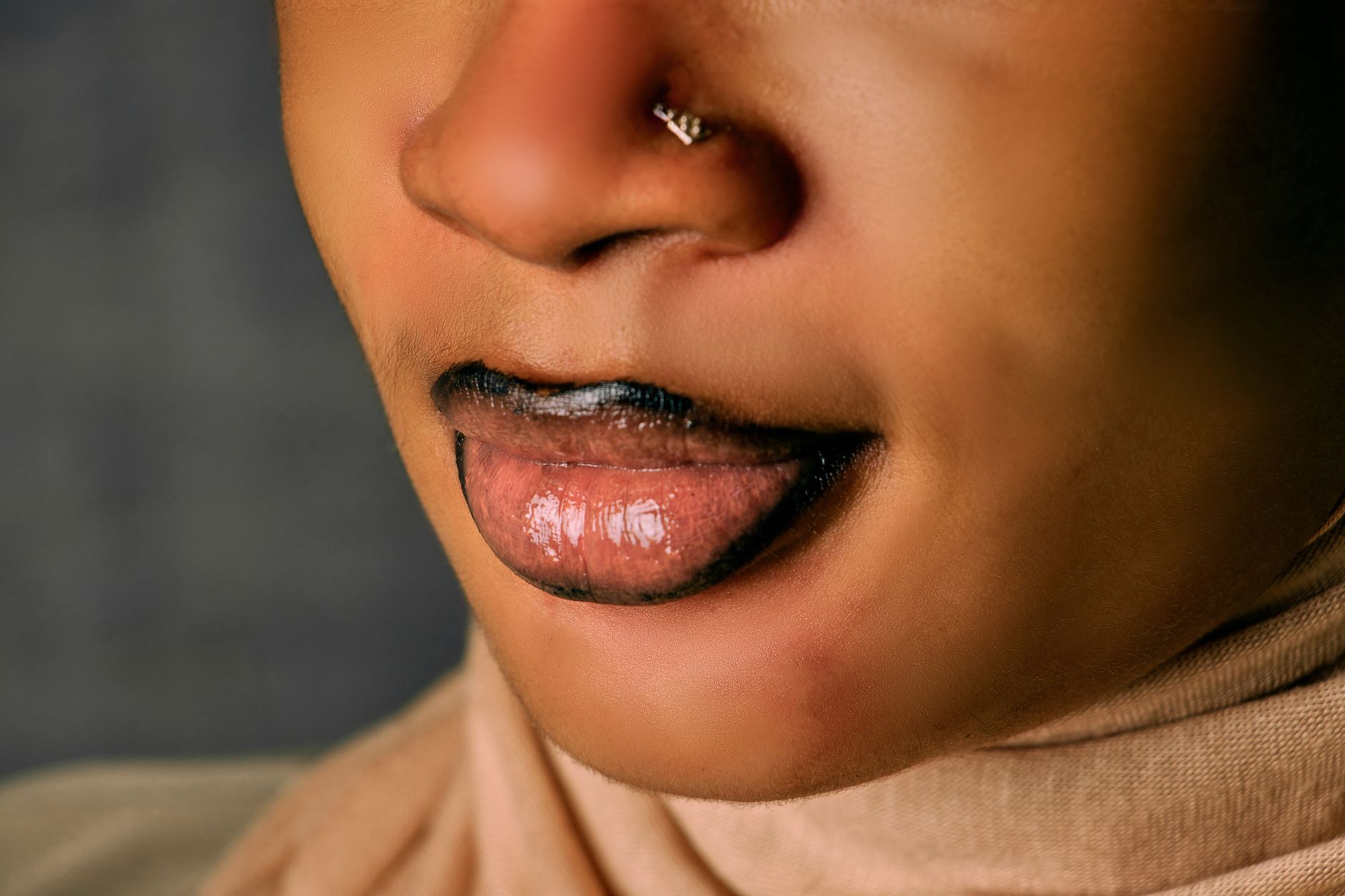
Image credit: Photo by Salis A Muhammad on Pexels. Used under the Pexels License.
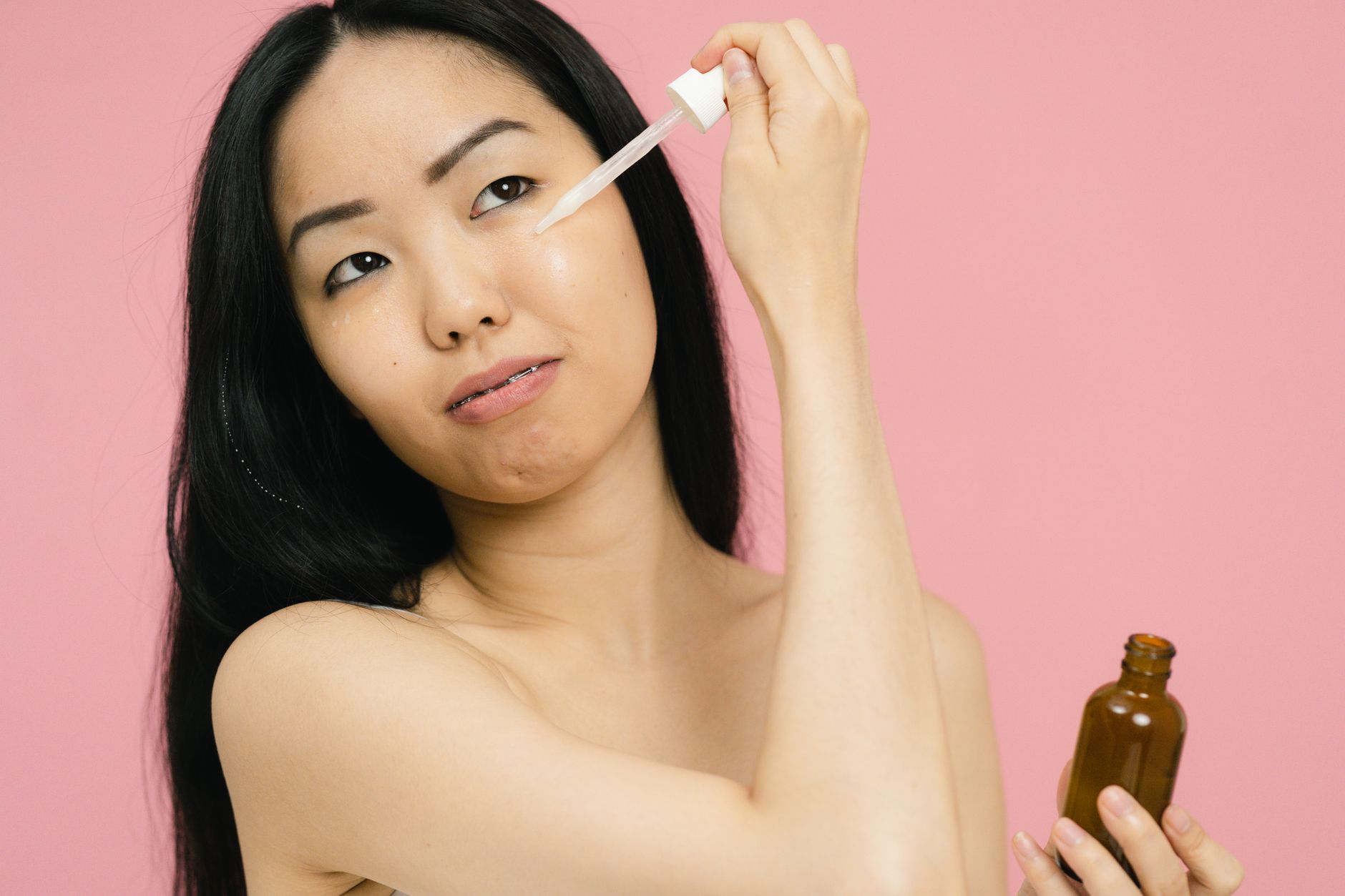
Image credit: Photo by SHVETS production on Pexels. Used under the Pexels License.