
MyEczema.app guide
Hot Water Eczema: Practical Guide
hot water eczema: Learn why hot water can make eczema worse and how to manage your symptoms effectively with practical tips and scientific insights.
Table of contents
Use this guide as a practical reference and jump to the sections most relevant to you.
- Quick answer
- Key takeaways
- Practical comparison table
- Visual chart
- Related MyEczema.app tool
- Understanding Eczema and Its Triggers
- The Role of the Skin Barrier in Eczema
- How Hot Water Affects the Skin
- The Relationship Between Water Temperature and Eczema
- The Impact of Shower Duration on Eczema
- Creating an Effective Post-Shower Routine for Eczema
- Choosing the Right Moisturizer for Eczema
- Lifestyle Adjustments to Manage Eczema
- Monitoring Your Eczema Symptoms
- Tracking patterns in a simple and useful way
- Frequently asked questions
- Sources and further reading
Living with eczema can present unique challenges, especially when it comes to everyday activities like bathing. One often overlooked factor that can significantly impact eczema symptoms is the temperature of the water you use. Hot water eczema is a real concern for many individuals, as it can strip the skin of its natural oils, leading to increased dryness and irritation. Understanding the relationship between hot water and eczema is essential for managing this condition effectively.
Eczema, also known as atopic dermatitis, is a chronic skin condition characterized by inflammation, itching, and redness. The skin of individuals with eczema is often more sensitive and prone to irritation. Various factors can trigger eczema flare-ups, including skin barrier disruption, irritants, climate, cleansing habits, allergens, and individual triggers. Among these, the use of hot water during bathing is a common yet easily modifiable factor that can exacerbate symptoms.
In this article, we will delve into the specifics of how hot water can worsen eczema and provide practical tips to help you manage your symptoms more effectively. By understanding the science behind eczema and making informed choices about your bathing habits, you can take significant steps towards better skin health.
Quick answer
Hot water can strip the skin of its natural oils, leading to increased dryness and irritation for those with eczema. To manage symptoms, it’s important to use lukewarm water and moisturize the skin immediately after bathing.
Key takeaways
- Hot water can exacerbate eczema symptoms by drying out the skin.
- Maintaining optimal skin hydration is crucial for managing eczema.
- Adjusting water temperature and shower duration can help reduce eczema flare-ups.
- Using gentle, fragrance-free moisturizers post-shower is essential for eczema care.
- Understanding the science behind eczema can help in developing effective management strategies.
Comparing Water Temperatures for Eczema-Prone Skin
| Situation | What it may mean | Practical next step |
|---|---|---|
| Using hot water | Increased skin dryness and irritation | Switch to lukewarm water |
| Long showers with any temperature | Prolonged exposure can strip natural oils | Limit shower time to 5-10 minutes |
| Skipping moisturizer after shower | Skin remains dry and vulnerable | Apply moisturizer immediately after showering |
| Using harsh soaps | Further irritation and dryness | Use gentle, fragrance-free cleansers |
| Ignoring skin changes | Potential for worsening eczema | Monitor skin and adjust habits as needed |
Related MyEczema.app tool
Use the Daily Trigger Tracker
The Daily Trigger Tracker helps users record symptoms, possible triggers, skin routine, photos, notes, and trends over time.
For this topic, this tool can help you organize information in a more structured way and turn daily observations into clearer patterns to review over time.
Understanding Eczema and Its Triggers
To understand why hot water eczema can be a problem, it’s important to first grasp what eczema is and how it interacts with various triggers. Eczema, also known as atopic dermatitis, is a chronic skin condition that causes the skin to become inflamed, itchy, and often cracked. It’s a complex condition influenced by genetic and environmental factors.
Definition of Eczema
Eczema is characterized by periods of flare-ups and remission. During a flare-up, the skin can become red, swollen, and extremely itchy. Scratching can lead to further irritation, creating a vicious cycle that’s hard to break. The condition often starts in childhood but can persist into adulthood.
Common Triggers
Identifying and avoiding triggers is a key part of managing eczema. Common triggers include:
- Allergens: Substances like pollen, pet dander, and certain foods.
- Irritants: Harsh soaps, detergents, and even some fabrics.
- Environmental Factors: Cold weather, low humidity, and sweating.
- Stress: Emotional stress can exacerbate symptoms.
Importance of Identifying Triggers
Knowing what triggers your eczema is crucial for effective management. For example, if you notice that your eczema worsens after using hot water, you can take steps to modify your bathing habits. This proactive approach can significantly reduce the frequency and severity of flare-ups.
When it comes to hot water eczema, understanding the role of water temperature is vital. Hot water can strip the skin of its natural oils, compromising the skin barrier function and making it more susceptible to irritation and infection. This is particularly problematic for those with eczema, as their skin barrier is already compromised.
Let’s look at a real-life example. Imagine you have a daily routine of taking long, hot showers. You might find temporary relief from the warmth, but over time, the hot water could be contributing to your eczema flare-ups. By switching to lukewarm water and shortening your shower time, you may notice a significant improvement in your skin’s condition.
In summary, understanding eczema and its triggers—especially the impact of water temperature—is essential for effective management. By making simple adjustments like using lukewarm water instead of hot, you can help maintain your skin’s health and reduce the likelihood of eczema flare-ups.
The Role of the Skin Barrier in Eczema
To understand why hot water eczema can be a problem, it’s essential to grasp the concept of the skin barrier and its critical role in protecting our skin.
What is the Skin Barrier?
The skin barrier is the outermost layer of your skin, known as the stratum corneum. This layer acts as a shield, protecting the body from external threats such as bacteria, viruses, and environmental irritants. It also helps to retain moisture, keeping the skin hydrated and healthy.
For individuals with eczema, this barrier is often compromised. The skin may become dry, cracked, and more permeable to irritants. This compromised state makes the skin more susceptible to flare-ups, particularly when exposed to triggers like hot water.
How the Skin Barrier Protects Against Irritants
A healthy skin barrier is adept at warding off irritants and maintaining the skin’s moisture balance. It does this through a combination of natural oils, proteins, and other substances that create a protective layer. When this barrier is intact, it can effectively prevent harmful substances from penetrating the skin and causing irritation or inflammation.
In contrast, when the skin barrier is weakened—as is often the case with eczema—it becomes much easier for irritants to cause damage. Hot water is one such irritant that can exacerbate the condition by further drying out the skin and stripping away essential oils.
The Impact of a Compromised Skin Barrier on Eczema
A compromised skin barrier can lead to increased sensitivity and susceptibility to eczema flare-ups. When the barrier is damaged, the skin is less able to retain moisture and protect itself from external aggressors. This can result in symptoms such as itching, redness, and inflammation.
Hot water exacerbates this issue by further drying the skin and potentially causing micro-tears in the already fragile barrier. This can lead to more severe and frequent eczema flare-ups. Understanding this relationship is crucial for managing eczema effectively.
Practical Steps to Protect Your Skin Barrier
Given the importance of the skin barrier in managing eczema, taking steps to protect and strengthen it is vital. Here are some practical tips:
- Use lukewarm water: When bathing or washing your hands, opt for lukewarm water instead of hot. This helps to minimize the drying effects on your skin.
- Limit bath time: Shorten the duration of your baths or showers to reduce the amount of time your skin is exposed to water, which can strip away natural oils.
- Moisturize immediately after bathing: Apply a fragrance-free, hypoallergenic moisturizer while your skin is still damp to lock in moisture.
- Avoid harsh soaps: Use gentle, pH-balanced cleansers that won’t further irritate your skin.
- Wear protective clothing: In cold or dry climates, wearing layers can help to protect your skin from environmental irritants.
By incorporating these practices into your daily routine, you can help to strengthen your skin barrier and reduce the likelihood of hot water eczema flare-ups. Remember, small changes can make a significant difference in managing your eczema effectively.
Real-Life Example: Managing Eczema with Water Temperature
Consider the case of Jane, a 30-year-old woman who has struggled with eczema for years. Jane noticed that her eczema would flare up severely after hot showers, leaving her skin red, itchy, and uncomfortable. After learning about the impact of water temperature on her skin barrier, she made a few simple changes.
Jane started taking lukewarm baths instead of hot showers, limited her bath time to 10 minutes, and began moisturizing immediately after drying off. Within a few weeks, she noticed a significant improvement in her skin’s condition. Her eczema flare-ups became less frequent and less severe, demonstrating the powerful effect that managing water temperature can have on eczema.
In conclusion, understanding the role of the skin barrier in eczema is crucial for effectively managing the condition. By making informed choices about water temperature and adopting practices that protect and strengthen your skin barrier, you can reduce the impact of hot water eczema and enjoy healthier, more comfortable skin.
How Hot Water Affects the Skin
When it comes to managing eczema, understanding the impact of water temperature is crucial. Hot water eczema can exacerbate symptoms, making it essential to be mindful of your bathing habits. Let’s delve into the specific effects of hot water on the skin and how it can contribute to eczema flare-ups.
How Hot Water Strips Natural Oils
The skin has a natural protective layer known as the hydrolipid film. This layer consists of oils and lipids that help retain moisture and protect against external irritants. Hot water can strip away these natural oils, leaving the skin dry and vulnerable.
When you expose your skin to hot water, the heat causes the oils to break down more quickly. This process can be likened to washing away the skin’s natural barrier. Without this protective layer, the skin becomes more susceptible to irritation and inflammation, common triggers for eczema flare-ups.
The Resulting Skin Dryness and Irritation
One of the primary symptoms of eczema is dry, itchy skin. Hot water exacerbates this by further dehydrating the skin. When the skin loses moisture, it becomes tight and uncomfortable, leading to increased itching and scratching.
Scratching can break the skin, creating openings for bacteria and other irritants to enter. This can lead to infections and further inflammation, making eczema symptoms worse. Therefore, avoiding hot water is a practical step in eczema prevention and management.
Scientific Studies on Water Temperature and Skin Health
Research has shown that water temperature plays a significant role in skin health. A study published in the Journal of Investigative Dermatology found that hot water can cause a rapid loss of skin lipids, leading to dryness and irritation.
Another study highlighted the benefits of lukewarm water for maintaining skin barrier function. The study suggested that bathing in lukewarm water helps preserve the skin’s natural oils, reducing the risk of eczema flare-ups.
Practical Steps to Minimize Hot Water Eczema
To protect your skin from the adverse effects of hot water, consider the following practical steps:
- Use Lukewarm Water: Opt for lukewarm water when bathing or washing your hands. This helps maintain the skin’s natural oils and reduces the risk of dryness.
- Limit Bath Time: Keep your bath or shower time short, ideally under 10 minutes, to minimize exposure to water.
- Moisturize Immediately: Apply a fragrance-free moisturizer right after bathing while your skin is still damp. This helps lock in moisture and reinforce the skin barrier.
- Avoid Harsh Soaps: Use gentle, eczema-friendly cleansers that won’t strip away natural oils. Look for products labeled as hypoallergenic or specifically designed for sensitive skin.
Real-Life Examples and Decision Points
Imagine you’re planning your morning routine. Instead of a long, hot shower, try a quick rinse with lukewarm water. Follow up with a thick, fragrance-free moisturizer to keep your skin hydrated throughout the day.
If you’re washing dishes or doing other water-intensive tasks, wear gloves to protect your skin from prolonged water exposure. This simple step can make a significant difference in preventing eczema flare-ups.
When traveling, be mindful of water temperature in hotels or public places. Carry a travel-sized thermometer to ensure the water isn’t too hot before you bathe.
By making these small but impactful changes, you can better manage hot water eczema and reduce the frequency of flare-ups. Remember, the goal is to maintain your skin’s natural barrier function and keep it as healthy and hydrated as possible.
The Relationship Between Water Temperature and Eczema
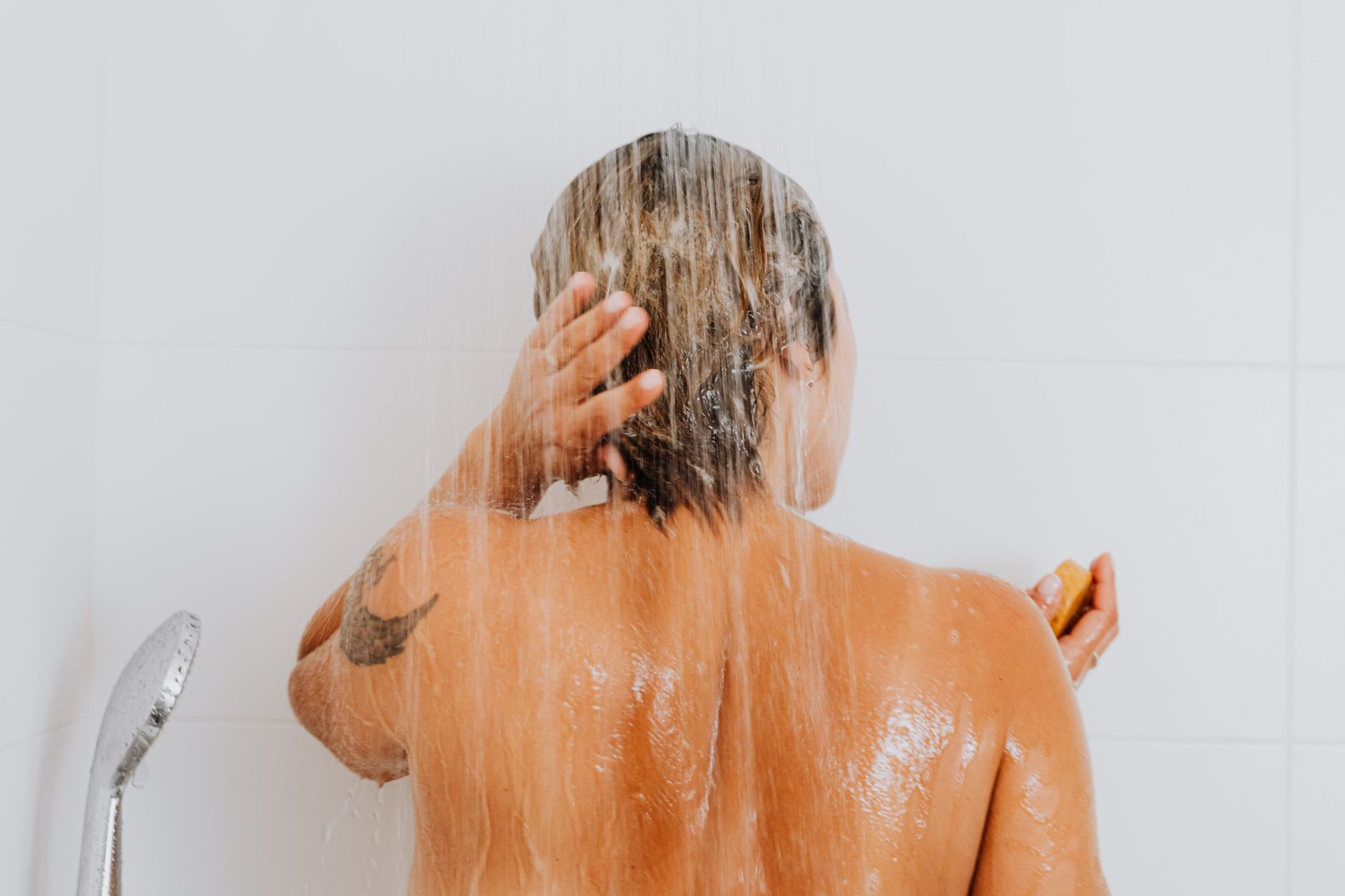
For individuals with eczema, understanding the impact of water temperature is crucial for managing symptoms. This section delves into the specifics of how different water temperatures affect eczema-prone skin, offering practical advice on optimizing shower habits to prevent flare-ups.
Optimal Water Temperature for Eczema-Prone Skin
Finding the right water temperature is a key component of eczema management. For those with eczema, lukewarm water is often recommended. This temperature helps to cleanse the skin without stripping it of essential oils and moisture. Aim for a temperature that feels comfortable and not overly warm. A general guideline is to keep the water temperature below 100°F (38°C).
The Impact of Hot Water on Eczema Flare-Ups
Hot water can exacerbate eczema symptoms by disrupting the skin’s barrier function. When the skin is exposed to hot water, it can lead to:
- Dryness: Hot water strips the skin of its natural oils, leading to increased dryness and itchiness.
- Irritation: The heat can cause the skin to become red and inflamed, triggering or worsening eczema flare-ups.
- Flare-Ups: The combination of dryness and irritation can lead to more frequent and severe eczema flare-ups.
Understanding these effects highlights the importance of avoiding hot water when managing eczema.
Practical Tips for Adjusting Shower Habits
Making simple changes to your shower routine can significantly impact eczema management. Here are some practical tips:
- Use Lukewarm Water: Always opt for lukewarm water instead of hot. This small change can make a big difference in preventing eczema flare-ups.
- Limit Shower Time: Keep showers short, around 5-10 minutes, to minimize the amount of time your skin is exposed to water.
- Moisturize Immediately After Showering: Apply a gentle, fragrance-free moisturizer while your skin is still damp to lock in moisture.
- Avoid Harsh Soaps: Use mild, eczema-friendly cleansers that won’t further irritate your skin. Look for products labeled as hypoallergenic or specifically designed for sensitive skin.
- Use a Humidifier: In dry climates or during winter months, using a humidifier can help maintain the moisture levels in your skin.
By incorporating these practices into your daily routine, you can help protect your skin from the damaging effects of hot water and reduce the likelihood of eczema flare-ups.
Real-life example: Jane, who has eczema, noticed that her skin felt tighter and itchier after hot showers. She started using lukewarm water and reduced her shower time. Within a few weeks, she experienced fewer flare-ups and her skin felt much better.
Decision point: Before your next shower, consider the temperature of the water. Ask yourself if it’s comfortably warm rather than hot. This simple adjustment can be a significant step in managing your eczema.
In summary, being mindful of water temperature is a practical and effective way to manage eczema. By opting for lukewarm water and making a few other adjustments to your shower routine, you can help keep your skin healthy and reduce the frequency of flare-ups.
The Impact of Shower Duration on Eczema
When managing eczema, the duration of showers can play a significant role in maintaining skin health. Understanding the balance between cleanliness and skin barrier function is crucial for those with eczema. This section will explore the recommended shower duration for eczema patients, the effects of prolonged exposure to water, and how to balance cleanliness and skin health.
Recommended Shower Duration for Eczema Patients
For individuals with eczema, dermatologists often recommend keeping showers short. A typical guideline is to limit shower time to about 5-10 minutes. This duration is sufficient for cleaning the skin without overly stripping it of essential oils and moisture.
Shorter showers help preserve the skin’s natural barrier, which is already compromised in eczema. By reducing the time spent under running water, you minimize the risk of exacerbating eczema symptoms. This approach is particularly important when considering the impact of hot water eczema, as prolonged exposure can lead to increased dryness and irritation.
The Effects of Prolonged Exposure to Water
Prolonged exposure to water, especially hot water, can have detrimental effects on eczema-prone skin. Water, regardless of temperature, can strip the skin of its natural oils. When combined with hot water, this effect is magnified, leading to dryness, irritation, and potential flare-ups.
Hot water opens up the pores and increases blood flow to the skin’s surface, which might feel soothing initially. However, it also accelerates the evaporation of moisture from the skin. This rapid loss of moisture can weaken the skin barrier, making it more susceptible to irritants and allergens that can trigger eczema flare-ups.
Moreover, prolonged showers can disrupt the skin’s pH balance. The skin’s surface has a slightly acidic pH, which helps protect against bacteria and other pathogens. Extended water exposure can alter this pH, further compromising the skin’s defense mechanisms.
Balancing Cleanliness and Skin Health
Achieving a balance between cleanliness and skin health is essential for eczema management. Here are some practical steps to help you maintain this balance:
- Limit Shower Time: Aim for showers that last no more than 5-10 minutes. This duration is usually enough to clean the skin without causing excessive dryness.
- Use Lukewarm Water: Opt for lukewarm water instead of hot. This temperature is gentler on the skin and helps preserve moisture.
- Moisturize Immediately After Showering: Pat your skin dry with a soft towel and apply a fragrance-free moisturizer while your skin is still slightly damp. This locks in moisture and helps reinforce the skin barrier.
- Choose Gentle Cleansers: Use mild, fragrance-free cleansers that are specifically designed for sensitive skin. Harsh soaps can further strip the skin of its natural oils.
- Avoid Scrubbing: Gently cleanse your skin without vigorous scrubbing. This helps prevent further irritation and damage to the skin barrier.
By incorporating these practices into your daily routine, you can help mitigate the impact of hot water eczema and maintain healthier skin. Remember, the goal is to keep your skin clean without compromising its natural protective functions.
For example, imagine you have a busy morning and find yourself running late. You might be tempted to take a quick, hot shower to save time. However, taking a slightly longer, lukewarm shower will benefit your skin more in the long run. This small adjustment can make a significant difference in managing eczema symptoms.
In summary, the duration of your showers can significantly impact your eczema. By keeping showers short, using lukewarm water, and following a gentle skin care routine, you can help prevent eczema flare-ups and maintain a healthy skin barrier.
Creating an Effective Post-Shower Routine for Eczema
After showering, especially with hot water, it’s crucial to take immediate steps to protect and nourish your skin. This section will guide you through creating an effective post-shower routine that minimizes the risk of hot water eczema flare-ups and supports your skin’s health.
Immediate Steps After Showering
The moment you step out of the shower, your skin is vulnerable. Hot water can strip away natural oils, leaving your skin dry and prone to irritation. Here’s what you should do right away:
- Pat Dry Gently: Instead of rubbing your skin with a towel, pat it dry gently. This helps retain some moisture and reduces friction that can irritate the skin.
- Apply Moisturizer Immediately: Within three minutes of stepping out of the shower, apply a generous amount of moisturizer. This locks in the remaining moisture and helps restore the skin barrier function.
Choosing the Right Moisturizer
Not all moisturizers are created equal, especially when it comes to managing eczema. Here’s how to choose the best one for your needs:
- Look for Ingredients: Opt for moisturizers that contain ceramides, hyaluronic acid, and glycerin. These ingredients help to repair and maintain the skin barrier.
- Avoid Harsh Chemicals: Steer clear of products with fragrances, dyes, and alcohol, as these can irritate the skin and trigger flare-ups.
- Consider Ointments: For very dry or severe eczema, ointments like petroleum jelly can be more effective than creams or lotions because they create a protective barrier on the skin.
For example, if you notice that your skin feels particularly dry after using a certain moisturizer, it might be time to switch to one with more hydrating ingredients. Pay attention to how your skin reacts and adjust accordingly.
Incorporating Other Skin-Soothing Practices
In addition to moisturizing, there are other practices you can incorporate into your post-shower routine to further soothe and protect your skin:
- Use a Humidifier: Dry air can exacerbate eczema symptoms. Using a humidifier in your bedroom can help maintain moisture in the air and on your skin.
- Wear Loose Clothing: After moisturizing, wear loose, breathable clothing made from soft fabrics like cotton. This reduces irritation and allows your skin to breathe.
- Apply Cool Compresses: If your skin feels irritated or itchy after showering, applying a cool compress can help soothe the area. Just make sure the water isn’t too cold to avoid further irritation.
For instance, if you find that your eczema tends to flare up during the winter months when the air is drier, incorporating a humidifier into your nightly routine can make a significant difference. Similarly, wearing loose clothing can prevent additional friction and irritation, which is especially important after a hot shower.
By following these steps, you can create a post-shower routine that not only addresses the immediate effects of hot water on your skin but also helps prevent future flare-ups. Remember, consistency is key. The more regularly you follow this routine, the better your skin will respond, reducing the likelihood of hot water eczema issues.
Choosing the Right Moisturizer for Eczema
For those dealing with hot water eczema, choosing the right moisturizer is crucial. The right product can help repair the skin barrier, reduce inflammation, and prevent flare-ups. This section will guide you through the types of moisturizers suitable for eczema, the ingredients to look for and avoid, and the best application techniques.
Types of Moisturizers Suitable for Eczema
When it comes to eczema, not all moisturizers are created equal. The two main types of moisturizers are occlusives and emollients.
- Occlusives: These form a protective layer on the skin, helping to lock in moisture. Common occlusives include petrolatum (petroleum jelly), mineral oil, and lanolin. They are particularly effective for sealing in moisture after a lukewarm bath or shower, which is less likely to exacerbate hot water eczema.
- Emollients: These help to soften and smooth the skin. Examples include ceramides, shea butter, and dimethicone. They work by filling in the gaps between skin cells, making the skin feel smoother and more supple.
For the best results, look for moisturizers that combine both occlusives and emollients. These hybrid products can provide both immediate and long-lasting hydration, which is essential for managing hot water eczema.
Ingredients to Look For and Avoid
When selecting a moisturizer for eczema, certain ingredients can make a significant difference. Here are some to keep in mind:
Ingredients to Look For
- Ceramides: These lipids are a key component of the skin’s natural barrier. Products containing ceramides can help restore and maintain the skin’s protective layer.
- Hyaluronic Acid: This ingredient attracts and retains moisture, making it highly effective for hydrating the skin.
- Aloe Vera: Known for its soothing properties, aloe vera can help reduce inflammation and irritation.
- Colloidal Oatmeal: This ingredient has anti-inflammatory and itch-relieving properties, making it beneficial for eczema-prone skin.
- Niacinamide: Also known as vitamin B3, niacinamide can help strengthen the skin barrier and reduce redness and irritation.
Ingredients to Avoid
- Fragrances: Synthetic fragrances can irritate the skin and trigger eczema flare-ups. Opt for fragrance-free products whenever possible.
- Alcohol: Products containing alcohol can be drying and irritating to the skin. Avoid moisturizers with ingredients like denatured alcohol or SD alcohol.
- Dyes: Artificial colors can cause irritation and allergic reactions. Stick to products without added dyes.
- Parabens: While the link between parabens and eczema is not fully established, some people find that paraben-free products are gentler on their skin.
Application Techniques for Maximum Benefit
How you apply your moisturizer can be just as important as the product itself. Follow these steps to get the most out of your eczema moisturizer:
- Apply Immediately After Bathing: Pat your skin dry with a soft towel, leaving it slightly damp. Then, apply your moisturizer within three minutes to lock in moisture.
- Use Generous Amounts: Don’t skimp on the amount of moisturizer you use. Apply a thick layer to ensure your skin gets enough hydration.
- Massage Gently: Use gentle, circular motions to massage the moisturizer into your skin. This helps the product absorb better and can provide a soothing effect.
- Reapply as Needed: Depending on your skin’s needs and the severity of your eczema, you may need to reapply moisturizer throughout the day. Keep a travel-size bottle handy for touch-ups.
- Consider Layering: For extra hydration, you can layer different types of moisturizers. For example, apply an emollient cream first, followed by an occlusive ointment.
By choosing the right moisturizer and applying it correctly, you can help manage hot water eczema more effectively. Remember, what works for one person may not work for another, so it may take some trial and error to find the perfect product for your skin.
Lifestyle Adjustments to Manage Eczema
Managing eczema effectively often requires more than just topical treatments. Lifestyle adjustments can play a significant role in reducing flare-ups and improving overall skin health. By making thoughtful changes in your daily habits, you can create an environment that is less likely to trigger hot water eczema and other eczema flare-ups. Here are three key areas to consider: dietary considerations, clothing choices, and environmental factors.
Dietary Considerations
What you eat can influence your eczema. While there is no one-size-fits-all diet for eczema, certain foods may exacerbate symptoms in some individuals. For example, common allergens like dairy, eggs, nuts, and wheat can trigger flare-ups in sensitive people. Keeping a food diary can help you identify any correlations between your diet and eczema symptoms.
Incorporating anti-inflammatory foods into your diet may also help manage eczema. Foods rich in omega-3 fatty acids, such as salmon, flaxseeds, and chia seeds, can help reduce inflammation. Additionally, staying hydrated is crucial. Drinking plenty of water helps maintain the skin’s moisture levels, which is especially important if you are managing hot water eczema.
- Tip: Consider consulting a dietitian who specializes in eczema to create a personalized eating plan.
Clothing Choices
The clothes you wear can either soothe or irritate your skin. For individuals with eczema, choosing the right fabrics is essential. Synthetic materials like polyester and nylon can trap heat and sweat, leading to increased irritation. Instead, opt for breathable fabrics such as cotton or bamboo.
Loose-fitting clothing is also beneficial. Tight clothes can rub against the skin, causing friction that may lead to flare-ups. Additionally, avoid rough seams and tags that can irritate sensitive skin. When possible, choose clothing that has been pre-washed to remove any residual chemicals or dyes that might cause irritation.
- Tip: Layering with soft, breathable fabrics can help regulate body temperature without irritating the skin.
Environmental Factors
The environment around you can significantly impact your eczema. Humidity levels, temperature, and even the cleanliness of your living space play a role in managing symptoms. Low humidity can dry out the skin, making it more susceptible to irritation and flare-ups. Using a humidifier in your home can help maintain optimal moisture levels.
Temperature is another critical factor. Extremely hot or cold environments can stress the skin barrier, exacerbating eczema symptoms. If you live in a region with harsh winters, consider using a heated indoor space to avoid prolonged exposure to cold weather. Similarly, during hot weather, avoid long, hot showers, as they can strip the skin of its natural oils and worsen hot water eczema.
Keeping your living space clean is also important. Dust, pet dander, and other allergens can trigger eczema flare-ups. Regular cleaning, using hypoallergenic products, and maintaining a dust-free environment can help reduce these triggers.
- Tip: Use a mild, fragrance-free detergent for laundry to avoid skin irritation from residual chemicals.
By making these lifestyle adjustments, you can create a more eczema-friendly environment. Remember, managing eczema is a continuous process that requires patience and persistence. Small changes in your daily routine can lead to significant improvements in your skin health.
Monitoring Your Eczema Symptoms
Effective management of eczema often hinges on understanding your unique triggers and patterns. One practical approach is to monitor your symptoms closely, especially in relation to activities like bathing. By keeping track of how hot water eczema affects your skin, you can make informed decisions to prevent flare-ups and maintain better skin health.
Keeping a Symptom Diary
A symptom diary is an invaluable tool for anyone dealing with eczema. This simple practice involves noting down daily observations about your skin condition. Here’s how you can start:
- Record Daily Observations: Note the condition of your skin each day. Look for signs of redness, itching, dryness, or any other symptoms.
- Track Water Temperature: Pay special attention to the temperature of the water you use for bathing. Use a thermometer to ensure accuracy.
- Document Shower Duration: Record how long you spend in the shower or bath. This can help identify if longer exposure to water is a trigger.
- Note Product Usage: Keep track of any soaps, shampoos, or moisturizers you use. This can help pinpoint any potential irritants.
By consistently recording these details, you’ll start to see patterns emerge. For example, you might notice that your eczema symptoms worsen after using particularly hot water or after longer showers.
Identifying Patterns and Triggers
Once you have a few weeks’ worth of data, review your symptom diary to identify patterns. Look for correlations between your activities and your eczema symptoms. Questions to consider include:
- Do your symptoms worsen after particularly hot showers?
- Is there a noticeable difference in your skin condition after using lukewarm versus hot water?
- Do certain times of the day or week correlate with increased symptoms?
For instance, if you notice that your eczema flare-ups often follow hot showers, you’ve identified a clear trigger. This insight allows you to make adjustments, such as reducing the water temperature or shortening your shower time.
When to Seek Professional Help
While self-monitoring is a powerful tool, it’s important to know when to seek professional help. If you notice that your eczema symptoms are severe, persistent, or worsening despite your efforts, it’s time to consult a healthcare provider. Professional guidance can offer:
- Personalized Advice: A dermatologist can provide tailored recommendations based on your specific symptoms and triggers.
- Treatment Options: They can suggest treatments, such as prescription creams or other medications, to help manage your eczema.
- Advanced Testing: In some cases, additional testing may be necessary to rule out other conditions or identify underlying causes.
Remember, monitoring your eczema symptoms is a proactive step towards better management. By keeping a detailed symptom diary, identifying patterns, and knowing when to seek professional help, you can take control of your eczema and minimize the impact of triggers like hot water on your skin.
Tracking patterns in a simple and useful way
Understanding how hot water eczema affects your skin is just the first step. To effectively manage your condition, it’s essential to track patterns in your symptoms and identify specific triggers. This section provides simple, practical steps to help you monitor your eczema and make informed decisions about your skincare routine.
Simple Practical Steps
Tracking your eczema symptoms doesn’t have to be complicated. Here are some straightforward steps to get you started:
- Keep a Symptom Diary: Note down the date, time, and severity of your eczema symptoms. Include details about your activities, such as showering, and the water temperature you used.
- Use a Skin Monitoring App: Many apps are designed to help you track eczema symptoms. These apps often include features like photo uploads, symptom logging, and trend analysis.
- Set Reminders: Use your phone or a dedicated app to set reminders for when to log your symptoms. Consistency is key to identifying patterns.
Reader-Friendly Troubleshooting
Once you start tracking your symptoms, you may notice certain patterns emerging. Here are some common issues and how to address them:
- Increased Itchiness After Showers: If you notice that your eczema flares up after showering, try reducing the water temperature. Experiment with lukewarm water to see if it makes a difference.
- Dryness and Roughness: If your skin feels dry or rough after showering, consider shortening your shower time. Follow up with a gentle, fragrance-free moisturizer immediately after drying off.
- Redness and Inflammation: Persistent redness or inflammation could indicate that the water temperature is still too high. Gradually lower the temperature and observe the changes in your skin.
When to Speak with a Healthcare Professional
While tracking your symptoms can provide valuable insights, it’s important to know when to seek professional advice. Consider consulting a healthcare professional if:
- Your symptoms worsen despite making adjustments to your shower routine.
- You experience severe itching, pain, or bleeding.
- Your eczema does not improve with over-the-counter treatments.
- You have concerns about your skincare routine or need personalized advice.
A dermatologist can offer tailored recommendations and may suggest additional treatments to help manage your eczema effectively.
Real-Life Example
Let’s consider a real-life example to illustrate how tracking can help. Sarah, a 28-year-old with eczema, noticed that her symptoms worsened after long, hot showers. She started keeping a symptom diary and noted that her itching and redness increased significantly on days she took hot showers. By switching to lukewarm water and reducing her shower time, she observed a marked improvement in her skin condition. Sarah continued to track her symptoms and found that maintaining a consistent, gentle skincare routine helped her manage her eczema more effectively.
Decision Points
When tracking your hot water eczema patterns, consider these decision points:
- Water Temperature: Are hot showers triggering your eczema? Try switching to lukewarm water and observe the changes.
- Shower Duration: Are longer showers exacerbating your symptoms? Experiment with shorter shower times to see if it makes a difference.
- Moisturizer Use: Are you applying moisturizer immediately after showering? Consistent post-shower moisturizing is crucial for maintaining skin barrier function.
By systematically tracking your symptoms and making informed adjustments, you can better manage your eczema and improve your overall skin health.
Frequently asked questions
Can lukewarm water be used instead of hot water for eczema?
Using lukewarm water instead of hot water can significantly benefit eczema-prone skin. Hot water strips the skin of its natural oils, leading to dryness and irritation. Lukewarm water helps preserve these oils, maintaining the skin’s barrier function and reducing the risk of flare-ups associated with hot water eczema.
When bathing, aim for a temperature that is comfortable and not too warm. This simple change can make a big difference in managing eczema symptoms and keeping the skin hydrated.
How often should someone with eczema shower?
For those with eczema, the frequency of showers can play a crucial role in symptom management. Over-bathing can strip the skin of its natural oils, leading to increased dryness and irritation. It is generally recommended to limit showers to once a day, or even every other day, depending on individual skin needs.
When showering, keep the duration short and use lukewarm water. After showering, gently pat the skin dry and apply a moisturizer to lock in hydration and protect the skin barrier.
Are there any specific ingredients in moisturizers that eczema patients should avoid?
Yes, eczema patients should be cautious about certain ingredients in moisturizers that can exacerbate symptoms. Common irritants include fragrances, dyes, and alcohols. These ingredients can cause further irritation and dryness.
Look for moisturizers labeled as “fragrance-free,” “hypoallergenic,” or “for sensitive skin.” Ingredients like ceramides, hyaluronic acid, and glycerin can be particularly beneficial for eczema-prone skin, helping to hydrate and strengthen the skin barrier.
Can diet affect eczema symptoms?
Diet can indeed play a role in eczema management. While the relationship between diet and eczema is complex and varies from person to person, certain foods may trigger or worsen symptoms in some individuals.
Common dietary triggers include dairy, eggs, nuts, and gluten. Keeping a food diary can help identify specific triggers. Incorporating anti-inflammatory foods like fruits, vegetables, and omega-3 fatty acids may help reduce inflammation and improve skin health. Consulting with a healthcare professional for personalized dietary advice is recommended.
What should I do if my eczema symptoms worsen despite following these tips?
If eczema symptoms worsen despite following recommended care practices, it is important to seek professional help. A healthcare provider can offer additional treatments and strategies tailored to your specific needs.
They may suggest prescription medications, such as topical steroids or immunomodulators, to manage severe symptoms. Regular follow-ups with a healthcare professional can help monitor progress and adjust the treatment plan as needed.
Are there any natural remedies that can help with eczema?
Natural remedies can be a helpful addition to eczema management, though they should complement, not replace, medical treatments. Oatmeal baths, for example, can soothe irritated skin and reduce itching. Coconut oil and aloe vera are other natural options that may provide hydration and anti-inflammatory benefits.
It’s important to approach natural remedies with caution and consult with a healthcare professional before trying new treatments. Some natural ingredients can cause allergic reactions or interact with other treatments.
Use MyEczema.app to track your eczema patterns and daily triggers.
This article is for educational purposes only and is not medical advice. If symptoms are severe, spreading, painful, infected-looking, or affecting sleep and daily life, speak with a qualified healthcare professional.
Sources and further reading
For medical guidance, always rely on a qualified healthcare professional. These educational resources may help readers learn more:
Image credit: Photo by SHVETS production on Pexels. Used under the Pexels License.
Image credit: Photo by https://kaboompics.com/ on Pexels. Used under the Pexels License.
Image credit: Photo by Yan Krukau on Pexels. Used under the Pexels License.