
MyEczema.app guide
Baths Vs Showers Eczema: Practical Guide
baths vs showers eczema: practical tips for tracking triggers, building routines, and supporting eczema-prone skin.
Table of contents
Use this guide as a practical reference and jump to the sections most relevant to you.
- Quick answer
- Key takeaways
- Practical comparison table
- Visual chart
- Related MyEczema.app tool
- Understanding Eczema and Its Impact on Skin
- The Importance of Hydration for Eczema-Prone Skin
- Benefits of Baths for Eczema-Prone Skin
- Effective Bathing Techniques for Eczema
- Benefits of Showers for Eczema-Prone Skin
- Effective Showering Techniques for Eczema
- Comparing Baths and Showers for Eczema
- Using Bath Additives for Eczema Relief
- The Role of Moisturizers After Bathing
- Personalizing Your Bathing Routine for Eczema
- Frequently asked questions
- Sources and further reading
Living with eczema can present unique challenges, especially when it comes to daily hygiene routines. One common question many people with eczema-prone skin face is whether baths or showers are better for their skin. This article aims to explore the benefits and potential drawbacks of both baths and showers for eczema management, helping you make informed decisions about your skin care routine.
Eczema, a condition characterized by dry, itchy, and inflamed skin, often requires careful consideration of cleansing habits. The choice between baths and showers can significantly impact skin hydration and comfort. Understanding how each method affects eczema-prone skin is essential for maintaining optimal skin health.
This article will delve into the specifics of baths vs showers eczema, examining how each can influence your skin’s condition. We’ll discuss the best practices for both, including water temperature, duration, and the use of additives like moisturizers and soothing agents. By the end, you’ll have a clearer picture of how to incorporate baths or showers into your eczema management plan effectively.
Remember, while this guide provides valuable insights, it’s important to consult with a healthcare professional for personalized advice. Everyone’s skin is different, and what works for one person may not work for another. Let’s dive into the world of baths and showers and discover the best approach for your eczema-prone skin.
Quick answer
Both baths and showers can be beneficial for eczema-prone skin, but the best choice depends on individual preferences and skin needs. Baths can provide a soothing, hydrating experience, especially when using lukewarm water and adding moisturizers or soothing agents. Showers, on the other hand, offer a quicker, more convenient option and can be just as effective when done with care, using gentle cleansers and lukewarm water. The key is to maintain consistency in your routine, use appropriate products, and consult with a dermatologist to tailor your bathing practices to your specific eczema needs.
Key takeaways
- Understanding the differences between baths and showers is crucial for managing eczema.
- Proper techniques and additives can enhance the benefits of both baths and showers.
- Consistency in your bathing routine is key to maintaining skin hydration and reducing eczema flare-ups.
- Consulting with a dermatologist can help tailor your bathing practices to your specific eczema needs.
- Incorporating moisturizers and other skincare products into your routine can further support eczema management.
Comparing Baths and Showers for Eczema Management
| Situation | What it may mean | Practical next step |
|---|---|---|
| Need for deep hydration | Baths may be more beneficial due to longer exposure to water. | Try taking a bath with moisturizing additives. |
| Limited time for bathing | Showers may be more convenient and time-efficient. | Opt for a quick shower with gentle, lukewarm water. |
| Sensitivity to certain bath additives | Showers may be a safer option to avoid potential irritants. | Choose a shower with clean, filtered water. |
| Preference for relaxation | Baths may offer a more relaxing experience. | Incorporate relaxation techniques into your bath routine. |
| Need for quick cleansing | Showers may be more effective for a fast cleanse. | Use a gentle, eczema-friendly cleanser in the shower. |
Effectiveness of Baths vs. Showers for Eczema
This visual is an educational guide, not a diagnostic score. Use it to decide what may be worth tracking more consistently for this specific topic.
Baths provide longer exposure to water, enhancing hydration.
Showers are quicker and more convenient for daily use.
Baths offer a more relaxing experience for stress reduction.
Showers allow for better control over water temperature.
Showers may reduce exposure to potential bath additives irritants.
Related MyEczema.app tool
Use the Eczema Skincare Routine Planner
The Eczema Skincare Routine Planner helps users organize morning, daytime, and evening routine steps for eczema-prone skin.
For this topic, this tool can help you organize information in a more structured way and turn daily observations into clearer patterns to review over time.
Understanding Eczema and Its Impact on Skin
Eczema, also known as atopic dermatitis, is a chronic skin condition characterized by inflammation and irritation. It affects people of all ages, often beginning in childhood. Understanding the nature of eczema is crucial when discussing the benefits of baths versus showers for eczema-prone skin.
Definition of Eczema
Eczema is a broad term that encompasses various types of skin inflammation. The most common form is atopic dermatitis, which is often hereditary and associated with other allergic conditions like asthma and hay fever. Eczema causes the skin to become dry, itchy, and prone to infection. The exact cause is not fully understood, but it involves a combination of genetic and environmental factors.
Common Symptoms
The symptoms of eczema can vary widely but often include:
- Itching: This is the most common symptom and can be severe.
- Redness: The skin may appear red or darker than usual, depending on skin tone.
- Dryness: Skin becomes extremely dry and may crack.
- Flaking or scaling: The skin may peel or develop scales.
- Blisters: Small fluid-filled bumps may form and eventually burst, leaving crusty, oozing areas.
- Thickened skin: Chronic scratching can lead to thickened, leathery patches.
These symptoms can significantly impact daily life, making it essential to find effective management strategies, including the choice between baths and showers.
Skin Barrier Function
One of the key issues in eczema is a compromised skin barrier. The skin barrier is the outermost layer of the skin that protects against external irritants and retains moisture. In eczema, this barrier is often weakened, leading to increased sensitivity and susceptibility to eczema triggers. Maintaining and strengthening the skin barrier is a critical aspect of managing eczema.
Hydration plays a vital role in supporting the skin barrier. Both baths and showers can impact skin hydration differently. For instance, long, hot baths can strip the skin of its natural oils, exacerbating dryness. On the other hand, shorter, lukewarm showers might be less drying but may not provide the same level of hydration as a bath with added moisturizers.
When considering baths vs showers eczema, it’s important to understand how each method affects the skin barrier. Baths can offer a more immersive hydration experience, especially when combined with bath additives like colloidal oatmeal or Epsom salts. These additives can soothe irritated skin and enhance moisture retention. Showers, while quicker and more convenient, require careful technique to avoid further drying the skin.
For those with eczema, the goal is to choose a bathing method that enhances hydration without triggering flare-ups. This often involves experimenting with different techniques and products to find what works best for individual skin sensitivity.
In summary, understanding eczema and its impact on the skin is the first step in making informed decisions about baths vs showers eczema. By recognizing the importance of the skin barrier and the role of hydration, individuals can better navigate their bathing routines to manage eczema symptoms effectively.
The Importance of Hydration for Eczema-Prone Skin
When discussing baths vs showers for eczema, one cannot overlook the critical role of hydration. Proper hydration is a cornerstone in managing eczema, especially when considering the effects of baths and showers on eczema-prone skin.
Role of Moisture in Skin Health
Moisture is vital for maintaining the skin’s barrier function. The skin barrier acts as a shield, protecting the body from external irritants and retaining essential moisture. For individuals with eczema, this barrier is often compromised, leading to increased skin sensitivity and susceptibility to flare-ups.
Hydration helps to reinforce this barrier. When the skin is well-hydrated, it is better equipped to resist eczema triggers and maintain its integrity. This is particularly relevant when choosing between baths and showers, as each method can affect skin moisture levels differently.
Effects of Dehydration on Eczema
Dehydration can exacerbate eczema symptoms. When the skin lacks sufficient moisture, it becomes dry, itchy, and more prone to inflammation. This can lead to a vicious cycle where dry skin causes itching, and scratching further damages the skin barrier, leading to more dehydration and increased eczema flare-ups.
In the context of baths vs showers eczema, understanding how each method impacts skin hydration is crucial. For instance, long, hot showers can strip the skin of its natural oils, leading to dehydration. On the other hand, baths, especially when using certain additives, can help hydrate the skin more effectively.
Benefits of Proper Hydration
Proper hydration offers several benefits for eczema-prone skin. It helps to:
- Reduce Itchiness: Hydrated skin is less likely to itch, which can prevent the urge to scratch and further damage the skin.
- Enhance Skin Barrier Function: Well-hydrated skin maintains a stronger barrier against irritants and allergens.
- Improve Skin Elasticity: Hydration keeps the skin supple and less prone to cracking or developing rough patches.
- Minimize Flare-Ups: Consistent hydration can help in reducing the frequency and severity of eczema flare-ups.
For those managing eczema, incorporating hydration into their daily routine is essential. This can be achieved through the careful selection of bath or shower practices, the use of appropriate bath additives, and the application of moisturizers post-bath or shower.
Practical Steps for Hydrating Eczema-Prone Skin
To effectively hydrate eczema-prone skin, consider the following practical steps:
- Opt for Lukewarm Water: Whether choosing baths or showers, using lukewarm water instead of hot can help preserve the skin’s natural oils.
- Limit Bath/Shower Time: Shorten the duration of your baths or showers to prevent over-drying the skin.
- Use Bath Additives: Consider adding moisturizers or oatmeal to your bath water to enhance hydration.
- Apply Moisturizer Immediately After: Pat the skin dry gently and apply a thick moisturizer while the skin is still damp to lock in moisture.
- Avoid Harsh Soaps: Use mild, fragrance-free soaps or cleansers to prevent further drying of the skin.
By focusing on hydration, individuals with eczema can better manage their symptoms and improve their skin’s overall health, whether they prefer baths or showers.
Benefits of Baths for Eczema-Prone Skin
When it comes to managing eczema, the choice between baths and showers can significantly impact skin health. Baths, in particular, offer several benefits that can help soothe and hydrate eczema-prone skin. Understanding these advantages can help individuals make informed decisions about their skincare routines.
Soothing Properties of Warm Water
One of the primary benefits of baths for eczema is the soothing effect of warm water. Immersing the body in warm water can help relax muscles and ease itchiness associated with eczema flare-ups. The warmth can also enhance blood circulation, promoting healing and reducing inflammation.
It’s important to note that the water should be lukewarm, not hot. Hot water can strip the skin of its natural oils, exacerbating dryness and irritation. Aim for a temperature that feels comfortably warm to the touch.
Use of Bath Additives
Bath additives can further enhance the benefits of baths for eczema. Products such as oatmeal colloids, Epsom salts, and specialized eczema-friendly bath oils can provide additional relief.
- Oatmeal Colloids: These can help soothe irritated skin and reduce inflammation. Oatmeal has natural anti-inflammatory properties that can provide relief from itching and redness.
- Epsom Salts: Magnesium sulfate, commonly known as Epsom salts, can help draw out toxins and reduce swelling. Adding a cup of Epsom salts to your bath can provide a relaxing and therapeutic experience.
- Eczema-Friendly Bath Oils: These oils can help moisturize the skin and create a protective barrier. Look for products specifically designed for sensitive skin to avoid potential irritants.
When using bath additives, it’s crucial to follow the instructions carefully and start with small amounts to gauge your skin’s reaction. Some individuals may find certain additives more effective than others, so it may take some trial and error to find the best combination for your skin.
Relaxation and Stress Reduction
Stress is a well-known trigger for eczema flare-ups. Taking a bath can be a relaxing experience that helps reduce stress levels. The act of soaking in warm water, combined with the use of calming bath additives, can create a serene environment that promotes mental well-being.
Incorporating relaxation techniques such as deep breathing or meditation during your bath can further enhance its stress-reducing benefits. This holistic approach not only soothes the skin but also supports overall emotional health, which is crucial for managing eczema.
For example, imagine taking a bath in the evening after a long day. The warm water envelops you, and the gentle scent of lavender bath oil fills the air. As you breathe deeply, you feel the tension in your muscles melt away, and your mind begins to calm. This moment of relaxation can be incredibly beneficial for both your skin and your mental state.
In summary, baths offer several advantages for individuals with eczema. The soothing properties of warm water, the use of beneficial bath additives, and the relaxation and stress reduction they provide can all contribute to better skin health. By incorporating these elements into your skincare routine, you can help manage eczema more effectively and enjoy a more comfortable daily life.
Effective Bathing Techniques for Eczema
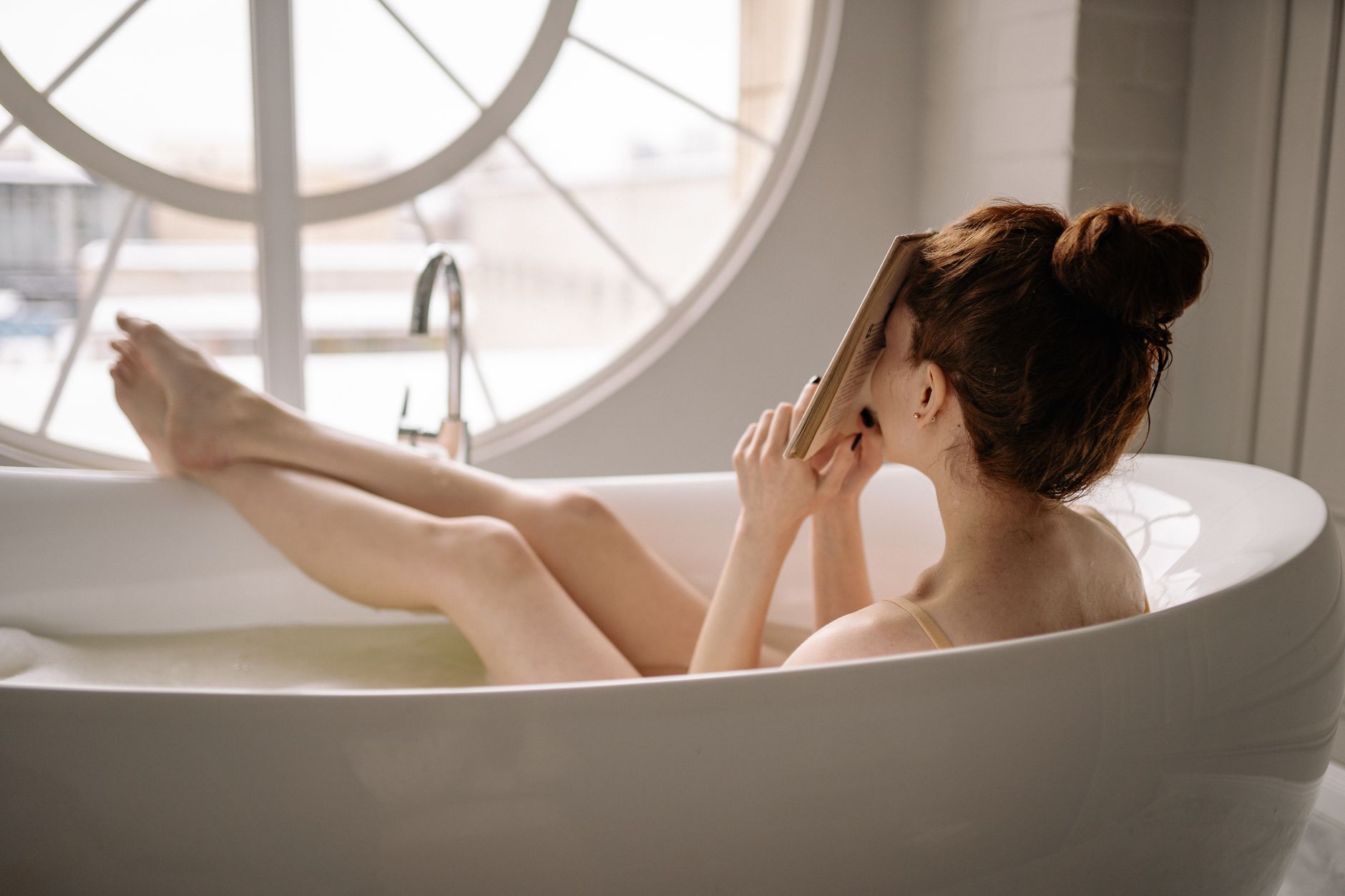
When it comes to baths vs showers eczema, many people with eczema find that baths can be particularly soothing. However, the benefits of baths depend significantly on the techniques used. This section provides practical tips on how to take baths that benefit eczema-prone skin.
Ideal Bath Temperature
The temperature of your bath water plays a crucial role in managing eczema. Water that is too hot can strip the skin of its natural oils, exacerbating dryness and irritation. Conversely, water that is too cold may not effectively cleanse the skin or provide the desired relief.
For eczema-prone skin, lukewarm water is generally the best option. Aim for a temperature between 90°F and 100°F (32°C and 38°C). This range is gentle enough to avoid stripping the skin’s natural oils while still providing a soothing experience. You can use a bath thermometer to ensure the water stays within this ideal range.
Duration of Baths
The length of your bath can also impact your skin. Prolonged exposure to water, even at the ideal temperature, can lead to further drying of the skin. Therefore, it’s important to keep baths short and sweet.
Aim for bath durations of 10 to 15 minutes. This timeframe is sufficient to cleanse the skin and provide relief without over-drying. If you find that shorter baths are not enough, consider adding bath additives designed for eczema-prone skin, which can help maintain moisture and soothe irritation.
Post-Bath Moisturizer Application
One of the most critical steps in your baths vs showers eczema routine is applying moisturizer immediately after your bath. The goal is to lock in the moisture that the bath has provided.
As soon as you step out of the bath, pat your skin dry gently with a soft towel. Avoid vigorous rubbing, as this can irritate the skin. Within three minutes of exiting the bath, apply a generous amount of moisturizer. Look for products that are fragrance-free, hypoallergenic, and specifically formulated for sensitive skin.
Consider using ointments or creams, which are thicker and provide a more effective moisture barrier compared to lotions. Products containing ceramides can also be beneficial, as they help repair the skin’s natural barrier.
Additional Tips for Bathing with Eczema
- Use Bath Additives: Consider adding colloidal oatmeal, baking soda, or Epsom salts to your bath water. These additives can help soothe irritated skin and reduce itching.
- Avoid Harsh Soaps: Steer clear of soaps with strong fragrances or dyes. Instead, opt for gentle, eczema-friendly cleansers.
- Be Mindful of Bath Frequency: While baths can be beneficial, frequent bathing can also strip the skin of its natural oils. Aim for baths 2-3 times a week, supplementing with showers on other days.
- Protect Your Skin: If you notice that certain bath additives or techniques trigger flare-ups, adjust your routine accordingly. Keeping a journal can help you identify specific triggers and make informed decisions about your baths vs showers eczema routine.
By following these effective bathing techniques, you can make the most out of your baths and help manage eczema-prone skin more effectively. Remember, the key is to maintain a balance that hydrates and soothes without causing additional irritation.
Benefits of Showers for Eczema-Prone Skin
When it comes to managing eczema, many people debate whether baths or showers are better. While baths can offer certain advantages, showers also provide benefits that make them a suitable option for those with eczema-prone skin. Let’s explore the advantages of showers and how they can be integrated into your routine to help manage eczema effectively.
Quick and Convenient
One of the primary benefits of showers for eczema-prone skin is their quick and convenient nature. Showers typically take less time than baths, making them ideal for busy mornings or evenings. For individuals with eczema, spending less time in water can help minimize the risk of skin drying out, which is a common concern with prolonged water exposure. A quick shower followed by immediate moisturizing can be an effective way to maintain skin hydration without overexposing the skin to water.
Control Over Water Temperature
Showers allow for precise control over water temperature, which is crucial for eczema management. Hot water can strip the skin of its natural oils, exacerbating eczema symptoms and leading to flare-ups. With a shower, you can easily adjust the temperature to a lukewarm setting, which is gentler on the skin. This control helps prevent the skin barrier from becoming compromised, reducing the likelihood of irritation and inflammation.
Reduced Exposure to Potential Irritants
Another advantage of showers over baths is the reduced exposure to potential irritants. Bathwater can become a breeding ground for bacteria and other contaminants, especially if not changed frequently. Showers, on the other hand, rinse the skin more thoroughly and quickly, minimizing the time skin is in contact with possible irritants. This can be particularly beneficial for individuals with eczema, whose skin is often more sensitive and prone to reactions.
Practical Shower Techniques for Eczema
To maximize the benefits of showers for eczema-prone skin, it’s important to adopt some practical techniques:
- Use Lukewarm Water: Avoid hot water at all costs. Opt for lukewarm water to prevent drying out your skin.
- Limit Shower Time: Keep your showers short, ideally under 5-10 minutes, to minimize water exposure.
- Gentle Cleansing: Use a mild, fragrance-free cleanser to wash your skin. Harsh soaps can strip away natural oils and worsen eczema.
- Moisturize Immediately: Pat your skin dry with a soft towel and apply moisturizer while your skin is still damp. This helps lock in hydration.
- Avoid Scrubbing: Gently wash your skin without scrubbing, as this can irritate eczema-prone areas.
Incorporating these shower techniques into your routine can help manage eczema symptoms more effectively. Remember, the goal is to keep your skin clean without causing additional irritation or dryness.
Real-Life Example: Morning Shower Routine
Consider a real-life example of a morning shower routine for someone with eczema:
- Set the shower to a lukewarm temperature.
- Use a gentle, fragrance-free cleanser and wash quickly, focusing on areas prone to eczema.
- Rinse thoroughly with lukewarm water.
- Pat skin dry with a soft towel, ensuring not to rub the skin.
- Apply a thick, fragrance-free moisturizer immediately after drying.
This routine helps maintain skin hydration and minimizes the risk of eczema flare-ups, making showers a practical option for daily use.
Decision Points: Baths vs Showers
Deciding between baths and showers for eczema management often comes down to personal preference and specific skin needs. If you find that baths soothe your skin and provide relief, they can be beneficial. However, if you’re looking for a quicker, more controlled way to cleanse your skin, showers offer distinct advantages. It’s important to listen to your skin and adjust your routine accordingly.
In conclusion, showers can be a beneficial part of managing eczema, offering quick, convenient, and controlled cleansing that helps maintain skin hydration and reduce exposure to irritants. By adopting practical shower techniques and being mindful of water temperature and duration, you can effectively incorporate showers into your eczema management routine.
Effective Showering Techniques for Eczema
When it comes to baths vs showers eczema management, showers can be a convenient and effective option if done correctly. This section will guide you through the best practices for showering when you have eczema-prone skin, ensuring you maintain skin hydration and minimize potential triggers.
Ideal Shower Temperature
The temperature of your shower water plays a crucial role in managing eczema. Hot water can strip the skin of its natural oils, leading to dryness and irritation. Aim for a lukewarm temperature instead. Here’s how to find the right balance:
- Test the water: Before stepping in, test the water with your hand or elbow to ensure it’s comfortably warm, not hot.
- Limit hot water exposure: If you need to rinse off soap or shampoo, quickly switch to cooler water for the final rinse.
- Use a thermometer: For precision, use a shower thermometer to keep the water between 90-95°F (32-35°C).
Shower Duration
The length of your shower can also impact your skin. Prolonged exposure to water, even lukewarm, can still lead to dryness. Here are some tips to keep your showers eczema-friendly:
- Keep it short: Limit your shower time to 5-10 minutes to reduce the risk of skin dryness.
- Focus on problem areas: If certain areas are particularly affected by eczema, spend a bit more time gently cleansing those spots without overdoing it.
- Be mindful of frequency: Showering once a day is usually sufficient. If you’re very active or sweaty, a quick rinse with a cloth may be enough for additional cleanses.
Post-Shower Skincare Routine
What you do after your shower is just as important as the shower itself. A proper post-shower routine can help lock in moisture and protect your skin barrier. Follow these steps:
- Pat dry gently: Use a soft towel to pat your skin dry. Avoid rubbing, which can irritate eczema-prone skin.
- Apply moisturizer immediately: Within 3 minutes of stepping out of the shower, apply a fragrance-free, hypoallergenic moisturizer. This helps seal in the moisture from your shower.
- Choose the right moisturizer: Look for creams or ointments that contain ceramides, which help strengthen the skin barrier. Avoid lotions, which are lighter and may not provide enough hydration.
- Consider bath additives: If you prefer showers but still want the benefits of bath additives, you can apply them topically after your shower. Look for leave-on treatments that mimic the effects of bath oils.
By paying attention to these showering techniques, you can help manage your eczema more effectively. Remember, the goal is to keep your skin hydrated and protected, minimizing the risk of flare-ups. If you find that showers are still triggering your eczema, revisiting baths with the right techniques might be a better option for you.
Comparing Baths and Showers for Eczema
When managing eczema, the choice between baths and showers can significantly impact skin health. Both options have unique benefits and potential drawbacks. Understanding these can help you make an informed decision that suits your needs and lifestyle.
Hydration Levels
Hydration is crucial for maintaining the skin barrier, especially for those with eczema. Baths generally offer superior hydration compared to showers. Soaking in a bath allows the skin to absorb water more effectively. This can be particularly beneficial for individuals with severe eczema, as it helps to soften the skin and reduce itching.
On the other hand, showers might not provide the same level of hydration. The water from a shower tends to run off the skin rather than being absorbed. However, using a moisturizing shower gel and applying a moisturizer immediately after can help mitigate this issue.
For those who prefer showers, incorporating bath additives like oatmeal or Epsom salts can enhance hydration. These additives can soothe the skin and provide additional benefits that mimic the effects of a bath.
Time Efficiency
Time efficiency is another important factor to consider. Showers are typically quicker than baths, making them a practical choice for busy individuals. A quick rinse can be sufficient to clean the skin without stripping it of essential oils.
Baths, while more hydrating, require more time. Filling the tub, soaking, and then drying off can be a lengthier process. However, many find that the extended relaxation time in a bath is worth the extra time invested.
If time is a constraint, consider shorter, more frequent baths or showers. This can help maintain skin hydration without requiring a significant time commitment for each session.
Personal Preference
Personal preference plays a significant role in choosing between baths and showers. Some individuals simply feel more relaxed and comfortable in a bath, while others prefer the invigorating feeling of a shower.
Experimenting with both options can help you determine what works best for your skin. You might find that a combination of both—such as a quick shower in the morning followed by a soothing bath in the evening—offers the best results.
It’s also important to consider the environment of your bathroom. A steamy shower might exacerbate eczema symptoms for some, while a calm, warm bath might be more soothing. Pay attention to how your skin reacts to different environments and adjust accordingly.
Practical Steps for Baths
If you choose baths, here are some practical steps to maximize their benefits for eczema-prone skin:
- Use lukewarm water to avoid drying out the skin.
- Limit bath time to 10-15 minutes to prevent over-soaking.
- Add bath additives like colloidal oatmeal or Epsom salts to soothe the skin.
- Avoid harsh soaps; opt for fragrance-free, gentle cleansers.
- Apply a thick moisturizer immediately after bathing to lock in hydration.
Practical Steps for Showers
For those who prefer showers, consider these steps to keep your skin healthy:
- Use lukewarm water and keep showers short (5-10 minutes).
- Use a moisturizing shower gel to help maintain skin hydration.
- Avoid scrubbing the skin; gently pat it dry with a soft towel.
- Apply a moisturizer within three minutes of stepping out of the shower.
- Consider using a humidifier in your bathroom to add moisture to the air.
Ultimately, the choice between baths and showers for eczema-prone skin depends on your individual needs, lifestyle, and preferences. Both options can be effective if used correctly. Pay attention to how your skin responds and adjust your routine as needed to find the best balance for your eczema management.
Using Bath Additives for Eczema Relief
For individuals with eczema, baths can be a soothing and effective way to manage symptoms. Incorporating bath additives can further enhance the benefits of baths, providing additional relief and comfort. However, it’s important to understand the types of bath additives available, their benefits, and potential risks to make informed decisions about their use.
Types of Bath Additives
There are several types of bath additives that can be beneficial for eczema-prone skin. These include:
- Oatmeal Baths: Colloidal oatmeal has anti-inflammatory properties and can help soothe irritated skin. It forms a protective layer on the skin, locking in moisture.
- Aloe Vera: Known for its soothing and healing properties, aloe vera can help reduce inflammation and promote skin repair.
- Epsom Salts: Magnesium sulfate, commonly known as Epsom salts, can help reduce itching and inflammation. It also draws out toxins from the skin.
- Baking Soda: Adding a small amount of baking soda to bathwater can help neutralize acidity and reduce itching.
- Oils: Adding oils like coconut oil or mineral oil to bathwater can help moisturize the skin. However, it’s important to be cautious as oils can make the bath slippery.
Benefits of Using Bath Additives
Bath additives can offer several benefits for those with eczema:
- Enhanced Hydration: Many bath additives help lock in moisture, which is crucial for maintaining the skin barrier and preventing dryness.
- Reduced Inflammation: Anti-inflammatory additives can help calm irritated skin and reduce redness and swelling.
- Itch Relief: Certain additives, like colloidal oatmeal and baking soda, can provide significant relief from itching, a common symptom of eczema.
- Improved Skin Barrier: Additives like oils can help strengthen the skin barrier, making it more resilient to eczema triggers.
Potential Risks and Considerations
While bath additives can be beneficial, it’s important to use them cautiously:
- Allergic Reactions: Some individuals may be allergic to certain additives. It’s advisable to test a small amount on the skin before using them in a full bath.
- Slippery Surfaces: Oils and some other additives can make the bath slippery, increasing the risk of falls. Using a non-slip mat can help mitigate this risk.
- Over-Drying: Some additives, if used excessively, can actually dry out the skin. It’s important to follow instructions and use additives in moderation.
- Interactions with Medications: If you are using prescribed topical medications, consult with a healthcare provider to ensure that bath additives won’t interfere with their effectiveness.
Incorporating bath additives into your bathing routine can be a valuable part of managing eczema. However, it’s essential to choose the right additives and use them appropriately to avoid potential risks. Always consider your skin’s sensitivity and consult with a healthcare provider if you have any concerns.
When deciding between baths and showers for eczema, the use of bath additives can tip the scale in favor of baths for many individuals. By understanding the types of additives available, their benefits, and potential risks, you can make informed choices that enhance your eczema management routine.
The Role of Moisturizers After Bathing
When it comes to managing eczema, the importance of moisturizers in your post-bathing routine cannot be overstated. Whether you prefer baths or showers for your eczema-prone skin, applying moisturizers afterward is a crucial step. This section will delve into the types of moisturizers available, the best application techniques, and the frequency of use to help you make informed choices for your skin.
Types of Moisturizers
Moisturizers come in various forms, each offering different benefits for eczema-prone skin. The most common types include creams, ointments, and lotions. Creams are generally a good all-around choice, providing a balance of hydration and protection. Ointments, which are thicker, offer more intense hydration and are particularly useful for very dry or severe eczema. Lotions, while lighter, may not provide enough moisture for those with severe eczema but can be suitable for milder cases or less affected areas.
For those with eczema, it’s often recommended to choose fragrance-free, hypoallergenic products to minimize the risk of irritation. Some moisturizers also contain additional ingredients like ceramides, which help to repair the skin barrier, or anti-inflammatory agents that can soothe eczema symptoms.
Application Techniques
How you apply your moisturizer can significantly impact its effectiveness. After baths or showers, it’s important to apply moisturizer while your skin is still slightly damp. This helps to lock in moisture. Gently pat your skin dry rather than rubbing it, as rubbing can irritate eczema-prone skin.
When applying moisturizer, use gentle, circular motions. Apply a generous amount to ensure full coverage, especially on areas prone to eczema flare-ups. Remember, the goal is to create a barrier that holds in moisture and protects your skin from external irritants.
Frequency of Use
The frequency of moisturizer application depends on the severity of your eczema and your skin’s response to bathing. For many people with eczema, applying moisturizer at least twice a day is recommended – once after bathing and once before bed. However, some may need to apply it more frequently, especially during flare-ups or in dry climates.
It’s also important to consider the type of moisturizer you’re using. Heavier ointments might only need to be applied once or twice a day, while lighter lotions may require more frequent application to maintain hydration.
In summary, moisturizers play a vital role in the baths vs showers eczema debate. Regardless of whether you choose to bathe or shower, the application of a suitable moisturizer afterward is essential for maintaining skin hydration, repairing the skin barrier, and reducing the likelihood of eczema flare-ups. Remember, the key is to find the right type of moisturizer, apply it correctly, and use it consistently to keep your eczema-prone skin as healthy as possible.
Personalizing Your Bathing Routine for Eczema
Creating a personalized bathing routine for eczema is crucial for managing symptoms effectively. Everyone’s skin is different, and what works for one person may not work for another. This section will guide you through assessing your skin needs, experimenting with techniques, and consulting a dermatologist to find the best baths vs showers eczema routine for you.
Assessing Skin Needs
The first step in personalizing your bathing routine is to assess your skin’s specific needs. Eczema can vary in severity and triggers, so understanding your skin’s unique requirements is essential. Consider the following factors:
- Skin Sensitivity: If your skin is highly sensitive, you may need to avoid certain bath additives or opt for shorter, cooler showers.
- Hydration Levels: Dry skin may benefit more from baths with moisturizing additives, while oily skin might prefer quicker showers with milder soaps.
- Eczema Triggers: Identify any specific triggers that worsen your eczema, such as certain soaps, water temperature, or environmental factors, and adjust your routine accordingly.
- Frequency of Flare-Ups: If you experience frequent flare-ups, you may need to be more cautious with your bathing habits to avoid further irritation.
Experimenting with Techniques
Once you have a better understanding of your skin’s needs, it’s time to experiment with different baths vs showers eczema techniques to see what works best for you. Here are some practical steps to consider:
- Try Both Baths and Showers: Alternate between baths and showers to see which one provides more relief. Pay attention to how your skin feels after each method.
- Adjust Water Temperature: Experiment with different water temperatures. Lukewarm water is generally recommended for eczema-prone skin, but find the temperature that feels most comfortable for you.
- Use Bath Additives: Incorporate bath additives like oatmeal, Epsom salts, or specialized eczema-friendly products into your routine. Observe how your skin reacts to these additives.
- Moisturize Immediately After Bathing: Regardless of whether you choose baths or showers, always moisturize your skin within three minutes of getting out to lock in hydration.
- Limit Bathing Time: Whether you prefer baths or showers, try to keep your bathing time under 15 minutes to prevent your skin from becoming too dry.
Consulting a Dermatologist
While experimenting with different techniques can be helpful, it’s always a good idea to consult a dermatologist for personalized advice. A dermatologist can provide insights tailored to your specific eczema type and severity. They can also recommend prescription treatments or specialized products that may not be available over the counter.
During your consultation, be prepared to discuss your current bathing routine, any triggers you’ve identified, and the results of your experiments. Your dermatologist can help you fine-tune your routine and address any concerns you may have.
Remember, finding the right baths vs showers eczema routine is a process that may take some time. Be patient and persistent in your efforts to discover what works best for your skin. With careful assessment, experimentation, and professional guidance, you can create a personalized bathing routine that helps manage your eczema symptoms effectively.
Frequently asked questions
Can baths worsen eczema?
Baths can either help or worsen eczema depending on the techniques and additives used. Long, hot baths can strip the skin of its natural oils, leading to dryness and irritation. However, short baths with lukewarm water and gentle, moisturizing additives can soothe eczema symptoms. It’s crucial to avoid harsh soaps and opt for eczema-friendly products.
To make baths more eczema-friendly, consider adding colloidal oatmeal or Epsom salts, which can help reduce inflammation and itching. Always pat the skin dry gently afterward and apply a moisturizer within three minutes to lock in hydration.
How often should I bathe or shower if I have eczema?
For eczema-prone skin, it’s generally recommended to bathe or shower every two to three days. Over-bathing can strip the skin of its natural oils, worsening eczema symptoms. When you do bathe, keep it short (5-10 minutes) and use lukewarm water.
After bathing, gently pat your skin dry and immediately apply a fragrance-free, hypoallergenic moisturizer to help retain moisture. This routine can help manage eczema symptoms more effectively.
What are the best bath additives for eczema?
Popular and effective bath additives for eczema relief include colloidal oatmeal, Epsom salts, and baking soda. Colloidal oatmeal can soothe irritated skin and reduce itching, while Epsom salts may help decrease inflammation. Baking soda can help balance the skin’s pH levels and reduce odor.
Avoid using harsh chemicals or fragrances in your bath additives. Always test a small amount on your skin first to ensure there’s no adverse reaction.
Should I use hot or cold water for bathing with eczema?
The ideal water temperature for bathing with eczema is lukewarm. Hot water can strip the skin of its natural oils, leading to increased dryness and irritation. Cold water may not effectively cleanse the skin and could be uncomfortable.
Lukewarm water helps maintain the skin’s natural barrier while effectively cleaning the skin. This can make baths vs showers eczema management more effective.
Can I use a loofah or washcloth while bathing with eczema?
Using a loofah or washcloth while bathing with eczema can have both pros and cons. On one hand, they can help distribute soap and moisturizer more evenly. On the other hand, they can also cause micro-abrasions on the skin, leading to irritation.
If you choose to use a loofah or washcloth, opt for a soft, gentle one and avoid scrubbing. Always rinse it thoroughly after each use to prevent bacterial buildup.
How can I prevent my skin from drying out after bathing?
To prevent your skin from drying out after bathing, it’s essential to moisturize immediately. Apply a fragrance-free, hypoallergenic moisturizer within three minutes of getting out of the bath or shower to lock in hydration.
Avoid using alcohol-based lotions, as they can further dry out the skin. Instead, choose creams or ointments that provide a thicker barrier to retain moisture. This can make the difference in effective baths vs showers eczema care.
Use MyEczema.app to track your eczema patterns and daily triggers.
This article is for educational purposes only and is not medical advice. If symptoms are severe, spreading, painful, infected-looking, or affecting sleep and daily life, speak with a qualified healthcare professional.
Sources and further reading
For medical guidance, always rely on a qualified healthcare professional. These educational resources may help readers learn more:
Image credit: Photo by SHVETS production on Pexels. Used under the Pexels License.
Image credit: Photo by Yan Krukau on Pexels. Used under the Pexels License.
Image credit: Photo by cottonbro studio on Pexels. Used under the Pexels License.