
MyEczema.app guide
Stress Trigger Eczema Flare: Practical Guide
stress trigger eczema flare: practical tips for tracking triggers, building routines, and supporting eczema-prone skin.

Table of contents
Use this guide as a practical reference and jump to the sections most relevant to you.
- Quick answer
- Key takeaways
- Practical comparison table
- Visual chart
- Related MyEczema.app tool
- Understanding the Link Between Stress and Eczema
- How Stress Can Trigger Eczema Flares
- Identifying Stress Symptoms That May Lead to Eczema
- Effective Stress Management Techniques for Eczema Sufferers
- Creating a Daily Stress-Relief Routine
- The Role of Support Systems in Managing Stress and Eczema
- Diet and Nutrition: Key Components in Stress Management
- The Impact of Sleep on Stress and Eczema
- Tracking Stress and Eczema Patterns
- Long-Term Strategies for Managing Stress and Eczema
- Frequently asked questions
- Sources and further reading
Living with eczema can be challenging, especially when you feel like you’re doing everything right but still experience unexpected flares. One often overlooked factor that can trigger an eczema flare is stress. Even if your daily routine remains unchanged, stress can significantly impact your skin. Understanding how stress can trigger an eczema flare is crucial for managing the condition effectively.
Eczema, also known as atopic dermatitis, is a chronic skin condition characterized by itchy, inflamed skin. While there’s no one-size-fits-all cause for eczema, various factors can contribute to its development and exacerbation. These factors include skin barrier disruption, exposure to irritants, climate changes, cleansing habits, allergens, and individual triggers. Among these, stress stands out as a potent trigger that can worsen eczema symptoms.
Stress affects the body in numerous ways, and the skin is no exception. When you’re stressed, your body releases cortisol, a hormone that can lead to inflammation and weaken your immune system. For individuals with eczema, this can mean more frequent and severe flares. Recognizing the role of stress in triggering an eczema flare is the first step toward better managing your condition.
In this article, we’ll delve into the relationship between stress and eczema, offering practical tips and strategies to help you manage stress and reduce the likelihood of flares. We’ll explore how stress impacts your skin, the importance of maintaining a consistent routine, and effective stress-relief practices that can make a difference.
Quick answer
Yes, stress can trigger an eczema flare even if your routine remains unchanged. Managing stress is crucial for preventing outbreaks.
Key takeaways
- Stress is a significant trigger for eczema flares.
- Even with a consistent routine, stress can exacerbate eczema symptoms.
- Effective stress management can help reduce the frequency of eczema outbreaks.
- Understanding the link between stress and eczema is key to managing the condition.
- Incorporating stress-relief practices into your daily routine can improve eczema control.
Stress Management Techniques and Their Impact on Eczema
| Situation | What it may mean | Practical next step |
|---|---|---|
| High-stress job | Increased likelihood of eczema flare-ups due to chronic stress | Incorporate regular breaks and stress-relief practices during work hours |
| Frequent arguments with family | Emotional stress can exacerbate eczema symptoms | Practice conflict resolution and seek support from a counselor |
| Lack of sleep due to stress | Poor sleep quality can worsen eczema | Establish a bedtime routine and consider sleep aids if necessary |
| Neglecting hobbies due to stress | Loss of enjoyable activities can increase stress levels | Reintroduce hobbies and make time for relaxation |
| Overeating or undereating due to stress | Dietary changes can affect eczema | Maintain a balanced diet and seek advice from a nutritionist |
Effectiveness of Stress Management Techniques for Eczema
This visual is an educational guide, not a diagnostic score. Use it to decide what may be worth tracking more consistently for this specific topic.
Mindfulness Meditation
Highly effective in reducing stress and improving eczema symptoms
Regular Exercise
Effective in managing stress and promoting overall skin health
Therapy and Counseling
Very effective for long-term stress management and eczema control
Dietary Changes
Moderately effective, especially when combined with other stress-relief methods
Sleep Hygiene
Highly effective in reducing stress and preventing eczema flares
Related MyEczema.app tool
Use the Daily Trigger Tracker
The Daily Trigger Tracker helps users record symptoms, possible triggers, skin routine, photos, notes, and trends over time.
For this topic, this tool can help you organize information in a more structured way and turn daily observations into clearer patterns to review over time.
Understanding the Link Between Stress and Eczema
Eczema, a chronic skin condition characterized by inflammation and irritation, can be influenced by various factors, including stress. Understanding the relationship between stress and eczema is crucial for managing flare-ups effectively. This section delves into the scientific explanation of how stress can trigger an eczema flare, common stress triggers, and how stress affects skin health.
Scientific Explanation of Stress-Eczema Relationship
The connection between stress and eczema is well-documented. Stress can exacerbate eczema symptoms through several mechanisms:
- Immune System Response: Stress triggers the release of cortisol, a hormone that can weaken the immune system. A compromised immune system may lead to increased inflammation and worsen eczema symptoms.
- Nerve-Skin Connection: Stress can activate the nervous system, leading to the release of neuropeptides that increase skin inflammation. This nerve-skin interaction can make eczema symptoms more pronounced.
- Skin Barrier Function: Stress can impair the skin’s barrier function, making it more susceptible to irritants and allergens. A weakened skin barrier can lead to increased itching and inflammation.
Common Stress Triggers
Identifying common stress triggers is the first step in managing stress-induced eczema flares. Here are some typical stress triggers to be aware of:
- Work-Related Stress: Deadlines, high expectations, and workplace conflicts can contribute to stress levels.
- Personal Relationships: Conflicts with family, friends, or romantic partners can be significant stress triggers.
- Financial Worries: Money-related stress, including debt and job insecurity, can exacerbate eczema symptoms.
- Health Concerns: Chronic health issues or the stress of managing a health condition can impact eczema.
- Environmental Factors: Noise, pollution, and overcrowding can contribute to stress levels.
How Stress Affects Skin Health
Stress doesn’t just trigger eczema flares; it can also have a broader impact on skin health. Here’s how:
- Increased Inflammation: Stress promotes the release of pro-inflammatory cytokines, which can lead to skin inflammation and worsen eczema symptoms.
- Impaired Wound Healing: Stress can slow down the healing process of eczema-related wounds, making it harder for the skin to recover.
- Heightened Sensitivity: Stress can make the skin more sensitive to irritants and allergens, leading to more frequent and severe flare-ups.
- Disrupted Sleep: Stress often leads to sleep disturbances, which can further exacerbate eczema symptoms. Poor sleep quality can impair the skin’s ability to repair itself.
Understanding the link between stress and eczema is essential for developing effective management strategies. By recognizing common stress triggers and their impact on skin health, individuals can take proactive steps to reduce stress and minimize eczema flares. In the next section, we will explore practical stress management techniques that can help you maintain better skin health and reduce the frequency of stress-triggered eczema flares.
How Stress Can Trigger Eczema Flares
Stress is a common experience that can significantly impact our overall health, including our skin. Understanding how stress can trigger an eczema flare, even when your routine remains unchanged, is crucial for managing this condition effectively. Let’s delve into the mechanisms by which stress leads to eczema outbreaks.
Physiological Response to Stress
When you encounter a stressful situation, your body initiates a “fight or flight” response. This is a natural reaction designed to protect you from perceived threats. During this response, your body releases a surge of hormones, including adrenaline and cortisol. These hormones prepare your body to react quickly, increasing your heart rate, blood pressure, and energy levels.
For individuals with eczema, this physiological response can have adverse effects on the skin. The increased blood flow and heightened state of alertness can exacerbate inflammation and itching, leading to an eczema flare. Even if your daily routine remains consistent, the internal changes triggered by stress can still result in a noticeable worsening of eczema symptoms.
Impact on Immune System
Stress doesn’t just affect your body’s immediate reactions; it also has a profound impact on your immune system. Chronic stress can weaken your immune response, making it less effective at fighting off infections and inflammation. For eczema sufferers, this means that the skin’s natural barrier function may be compromised, leading to increased sensitivity and vulnerability to irritants and allergens.
Moreover, stress can cause an imbalance in the types of immune cells present in your skin. This imbalance can lead to increased inflammation and a higher likelihood of eczema flares. Understanding this connection highlights the importance of stress management in maintaining skin health.
Role of Cortisol and Other Stress Hormones
Cortisol, often referred to as the “stress hormone,” plays a significant role in how stress affects eczema. When you are stressed, your body produces higher levels of cortisol. While cortisol is essential for managing stress and regulating various bodily functions, elevated levels can have negative effects on your skin.
One of the key ways cortisol impacts eczema is by increasing inflammation. Inflammation is a natural response to stress, but in individuals with eczema, this can lead to worsening symptoms. Cortisol can also affect the skin’s barrier function, making it more difficult for the skin to retain moisture and protect itself from external irritants.
Additionally, other stress hormones, such as adrenaline, can contribute to the itching and scratching cycle commonly associated with eczema. When you scratch, you can further damage your skin, leading to a vicious cycle of inflammation and irritation.
Practical Steps to Manage Stress and Eczema
Understanding the link between stress and eczema is the first step in managing your condition more effectively. Here are some practical steps you can take to reduce stress and minimize the likelihood of stress-triggered eczema flares:
- Mindfulness and Meditation: Practicing mindfulness and meditation can help you manage stress more effectively. These practices encourage you to focus on the present moment, reducing anxiety and promoting a sense of calm.
- Regular Exercise: Physical activity is a great way to relieve stress. Exercise releases endorphins, which are natural mood lifters. Aim for at least 30 minutes of moderate exercise most days of the week.
- Adequate Sleep: Ensure you get enough restful sleep each night. Poor sleep can exacerbate stress and worsen eczema symptoms. Create a relaxing bedtime routine to help you wind down and improve your sleep quality.
- Healthy Diet: Eating a balanced diet can support your overall health and help manage stress. Include plenty of fruits, vegetables, whole grains, and lean proteins in your meals.
- Social Support: Connect with friends, family, or support groups. Talking about your stress and eczema can provide emotional relief and practical advice.
- Professional Help: If stress is significantly impacting your life, consider seeking help from a mental health professional. Therapists can provide strategies and techniques to manage stress more effectively.
By incorporating these stress management techniques into your daily routine, you can reduce the likelihood of stress-triggered eczema flares. Remember, managing stress is an ongoing process, and it may take time to find the strategies that work best for you. Consistency and patience are key.
In conclusion, understanding how stress can trigger eczema flares is essential for anyone dealing with this condition. By recognizing the physiological responses to stress, its impact on the immune system, and the role of stress hormones like cortisol, you can take proactive steps to manage your stress and improve your skin health. Incorporating stress management techniques into your daily life can help you maintain better control over your eczema, leading to fewer flares and a higher quality of life.
Identifying Stress Symptoms That May Lead to Eczema
Stress is a common trigger for many health issues, including eczema. Recognizing the symptoms of stress can help you take proactive steps to manage it, potentially reducing the likelihood of a stress trigger eczema flare. This section will guide you through the physical, emotional, and behavioral signs of stress that may contribute to eczema flare-ups.
Physical Signs of Stress
Stress manifests in various physical ways, and being aware of these can help you identify when you might be under too much pressure. Here are some common physical signs:
- Muscle tension: Notice if you have frequent headaches or a persistent tightness in your shoulders and neck. These can be indicators of stress.
- Digestive issues: Stress can lead to stomachaches, nausea, or changes in bowel habits. Pay attention to any gastrointestinal discomfort.
- Sleep disturbances: Difficulty falling or staying asleep, or experiencing restless sleep, can be a sign that stress is affecting your body.
- Fatigue: Feeling unusually tired or lacking energy, even after a full night’s sleep, may indicate that stress is taking a toll on you.
- Changes in appetite: Stress can cause you to eat more or less than usual. Both overeating and loss of appetite are common stress responses.
If you notice these physical signs, it might be a good time to consider stress management techniques to prevent a potential stress trigger eczema flare.
Emotional Indicators
Stress also affects your emotional well-being. Being aware of these emotional signs can help you address stress before it leads to an eczema flare-up:
- Irritability: Feeling easily annoyed or frustrated can be a sign of stress. If you find yourself snapping at others more often, it might be time to check in with your stress levels.
- Anxiety: Persistent worry or fear about everyday situations can indicate heightened stress. This can be particularly concerning if it interferes with your daily activities.
- Depression: Feeling sad, hopeless, or lacking interest in activities you usually enjoy can be a sign that stress is overwhelming you.
- Mood swings: Rapid changes in mood, from happiness to sadness or anger, can be a stress indicator.
- Feeling overwhelmed: If you constantly feel like you have too much to handle, it’s a clear sign that stress is building up.
Acknowledging these emotional signs is crucial. They not only affect your mental health but can also exacerbate skin conditions like eczema.
Behavioral Changes
Stress can lead to changes in behavior that might not be immediately obvious. Here are some behavioral signs to watch for:
- Procrastination: Delaying tasks or avoiding responsibilities can be a way your brain tries to cope with stress.
- Social withdrawal: Pulling away from friends, family, or social activities can be a sign that stress is making you feel isolated.
- Increased use of substances: Relying more on alcohol, tobacco, or other substances to cope with stress is a red flag.
- Neglecting self-care: Forgetting to eat properly, skipping hygiene routines, or neglecting physical activity can indicate that stress is taking over.
- Compulsive behaviors: Engaging in repetitive behaviors like nail-biting, skin picking, or excessive cleaning can be stress-related.
Recognizing these behavioral changes early can help you take steps to manage stress more effectively, reducing the risk of a stress trigger eczema flare.
To illustrate how these signs might play out, consider the following example:
Jane, a 32-year-old marketing professional, started noticing persistent muscle tension in her neck and shoulders. She also found herself feeling unusually irritable and snapping at her colleagues more often. Additionally, she began to withdraw from her usual social activities, preferring to stay home and avoid interactions. These physical, emotional, and behavioral signs indicated that Jane was under significant stress. By recognizing these symptoms, Jane was able to seek support and implement stress management techniques, which helped her prevent an eczema flare-up.
In summary, being vigilant about the physical, emotional, and behavioral signs of stress can help you manage it more effectively. This proactive approach can significantly reduce the likelihood of a stress trigger eczema flare, allowing you to maintain better skin health and overall well-being.
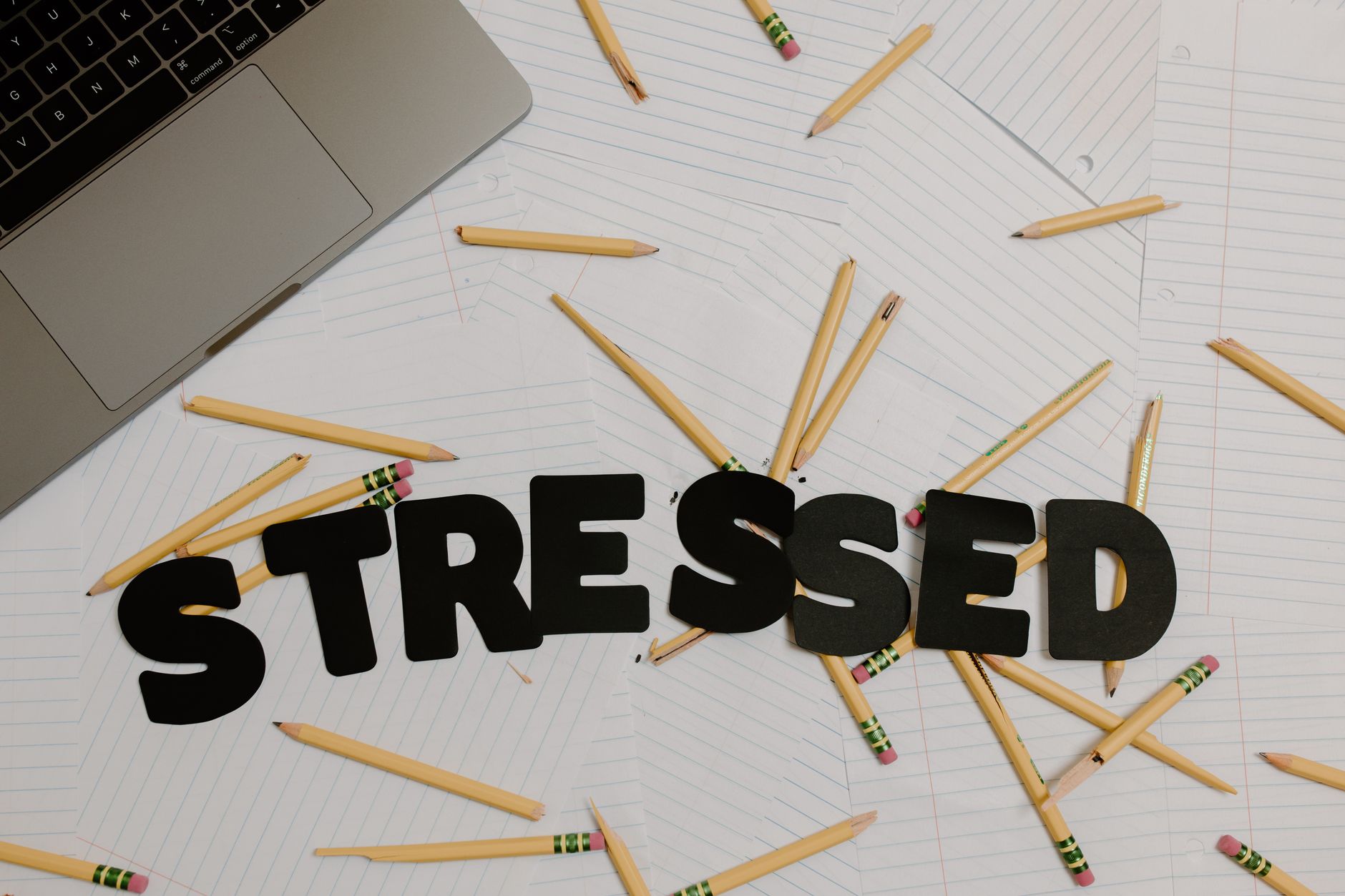
Effective Stress Management Techniques for Eczema Sufferers
Managing stress is crucial for eczema sufferers, especially when trying to prevent a stress trigger eczema flare. Even if your daily routine remains unchanged, stress can still play a significant role in exacerbating eczema symptoms. This section provides practical stress management strategies that can help reduce the likelihood of stress-induced eczema flare-ups.
Mindfulness and Meditation
Mindfulness and meditation are powerful tools for managing stress and promoting overall well-being. These practices help you stay present, reduce anxiety, and improve your emotional resilience.
- Start with short sessions: Begin with just 5-10 minutes of meditation each day. Use guided meditation apps to help you get started.
- Focus on breathing: Pay attention to your breath. Inhale deeply through your nose, hold for a few seconds, and exhale slowly through your mouth. This simple act can help calm your mind.
- Incorporate mindfulness into daily activities: Whether you’re washing dishes or walking, try to be fully present in the moment. Notice the sensations, sounds, and sights around you.
For example, during a stressful day at work, taking a few minutes to practice mindfulness can help you feel more centered and less likely to experience a stress trigger eczema flare.
Exercise and Physical Activity
Regular physical activity is another effective way to manage stress. Exercise releases endorphins, which are natural mood lifters, and can significantly reduce stress levels.
- Find an activity you enjoy: Whether it’s yoga, swimming, walking, or dancing, choose an exercise that you look forward to. This makes it easier to stick with your routine.
- Set realistic goals: Start with small, achievable goals, such as a 20-minute walk each day, and gradually increase the duration and intensity.
- Incorporate movement into your day: Take short breaks to stretch or walk around, especially if you have a sedentary job.
Imagine you have a high-stress job. Incorporating a 10-minute yoga session during your lunch break can help alleviate stress and potentially prevent an eczema flare-up triggered by stress.
Relaxation Techniques
Various relaxation techniques can help you manage stress more effectively. These methods can be particularly beneficial for eczema sufferers looking to avoid a stress trigger eczema flare.
- Progressive muscle relaxation: This involves tensing and then slowly relaxing each muscle group in your body. It helps reduce physical tension and promotes relaxation.
- Visualization: Spend a few minutes each day visualizing a peaceful place or scenario. This can help shift your focus away from stress and towards calmness.
- Aromatherapy: Using essential oils like lavender or chamomile can create a relaxing environment. Diffuse these oils in your home or add a few drops to a bath.
For instance, before bed, practicing progressive muscle relaxation can help you unwind and reduce the chances of stress affecting your skin overnight.
In summary, incorporating mindfulness, regular exercise, and relaxation techniques into your daily routine can significantly help manage stress. By doing so, you may reduce the frequency and severity of stress trigger eczema flares, leading to better skin health and overall well-being.
Creating a Daily Stress-Relief Routine
Incorporating stress-relief into your daily life is essential for managing eczema, especially when stress is a known trigger for flare-ups. Establishing a consistent routine can help reduce stress levels and, in turn, lower the likelihood of stress-triggered eczema flares. Here’s how to build an effective stress-relief routine tailored to your needs.
Start with Small, Manageable Steps
When beginning a stress-relief routine, it’s important to set realistic goals. Trying to overhaul your entire lifestyle overnight can be overwhelming and counterproductive. Instead, start with small, manageable changes that you can gradually build upon.
- Begin with just five minutes of meditation or deep breathing exercises each morning.
- Incorporate a short walk during your lunch break.
- Set aside ten minutes before bed for journaling or reading.
Incorporate Mindfulness Practices
Mindfulness practices are effective ways to reduce stress and promote overall well-being. These practices help you stay present and reduce anxiety, which can be beneficial in preventing stress-triggered eczema flares.
- Meditation: Even a few minutes of meditation each day can make a significant difference. Apps like Headspace or Calm offer guided sessions suitable for beginners.
- Deep Breathing: Simple deep-breathing exercises can help calm your mind. Try the 4-7-8 technique: inhale for 4 seconds, hold for 7 seconds, and exhale for 8 seconds.
- Yoga: Yoga combines physical postures, breathing exercises, and meditation. It’s an excellent way to relieve stress and improve flexibility.
Establish a Consistent Sleep Routine
Quality sleep is crucial for stress management and overall skin health. A consistent sleep routine can help improve your sleep quality, making it easier to manage stress.
- Go to bed and wake up at the same time every day, even on weekends.
- Create a relaxing bedtime routine, such as reading a book or taking a warm bath.
- Avoid screens (phones, tablets, computers) at least an hour before bedtime to reduce blue light exposure.
Engage in Regular Physical Activity
Physical activity is a powerful stress reliever. Regular exercise helps release endorphins, the body’s natural stress fighters, and can improve your mood and energy levels.
- Aim for at least 30 minutes of moderate exercise most days of the week.
- Find activities you enjoy, whether it’s walking, swimming, dancing, or cycling.
- Consider group activities or classes to add a social element and increase accountability.
Practice Time Management
Effective time management can help reduce stress by allowing you to prioritize tasks and avoid last-minute rushes. Here are some tips to help you manage your time better:
- Use a planner or digital calendar to organize your tasks and appointments.
- Break larger tasks into smaller, manageable steps.
- Set aside specific times for work, relaxation, and self-care.
Seek Social Support
Having a strong support system can make a significant difference in managing stress. Connecting with friends, family, or support groups can provide emotional relief and practical advice.
- Reach out to friends or family members when you’re feeling stressed.
- Join online or local support groups for eczema sufferers to share experiences and coping strategies.
- Consider talking to a therapist or counselor if you’re struggling to manage stress on your own.
Track Your Progress
Keeping track of your stress levels and the effectiveness of your stress-relief routine can help you identify what works best for you. Use a journal or an app to monitor your progress.
- Note any changes in your stress levels and how they correlate with your eczema symptoms.
- Record the activities you’ve tried and how they made you feel.
- Adjust your routine based on what you’ve learned to continually improve your stress management.
Creating a daily stress-relief routine is a proactive step towards managing stress and reducing the likelihood of stress-triggered eczema flares. By incorporating these practices into your life, setting realistic goals, and tracking your progress, you can build a sustainable routine that supports both your mental and skin health.
The Role of Support Systems in Managing Stress and Eczema
When dealing with stress and its potential to trigger an eczema flare, the importance of support systems cannot be overstated. Social connections, professional help, and community resources all play crucial roles in managing stress and maintaining skin health.
Benefits of Social Connections
Humans are inherently social creatures, and our relationships can significantly impact our well-being. For those experiencing stress, which can lead to an eczema flare, strong social connections offer numerous benefits:
- Emotional Support: Talking to friends, family, or support groups about your stress can provide relief and reduce feelings of isolation. Sharing experiences with others who understand can be incredibly validating.
- Practical Help: Loved ones can assist with daily tasks, giving you more time to focus on self-care and stress management techniques.
- Positive Distraction: Engaging in social activities can divert your mind from stress, helping to lower stress levels and, consequently, the risk of an eczema flare.
Consider joining local or online support groups specifically for eczema sufferers. These groups can offer both emotional support and practical advice on managing stress and skin health.
Seeking Professional Help
While social connections are vital, sometimes professional help is necessary to manage stress effectively. Here are some options to consider:
- Therapists and Counselors: Mental health professionals can provide strategies to cope with stress. Cognitive-behavioral therapy (CBT), for example, has been shown to be effective in managing stress and improving skin conditions.
- Stress Management Workshops: Many community centers and hospitals offer workshops on stress management. These can provide you with new techniques and a supportive environment to practice them.
- Medication: In some cases, a healthcare provider may recommend medication to help manage stress. It’s important to discuss all options with a professional to determine the best course of action for your specific situation.
If you find that stress is significantly impacting your eczema, don’t hesitate to seek professional help. Early intervention can make a substantial difference in managing both stress and skin health.
Community Resources
Community resources can offer additional layers of support. Here are some ways to leverage these resources:
- Local Health Departments: Many local health departments offer programs and resources for stress management. They can also provide information on support groups and counseling services.
- Non-Profit Organizations: Organizations dedicated to eczema and skin health often provide resources, workshops, and support groups. They can be a valuable source of information and community.
- Educational Workshops: Look for workshops in your area that focus on stress relief techniques such as mindfulness, yoga, or meditation. These can be particularly beneficial for managing stress and preventing eczema flares.
Take advantage of these community resources to build a robust support system. The more layers of support you have, the better equipped you’ll be to manage stress and maintain your skin health.
In summary, the role of support systems in managing stress and eczema is indispensable. Whether through social connections, professional help, or community resources, having a network of support can significantly alleviate stress, thereby reducing the likelihood of an eczema flare. Remember, you don’t have to face stress alone—reach out and build the support system that works best for you.
Diet and Nutrition: Key Components in Stress Management
When it comes to managing stress and its potential to trigger an eczema flare, diet and nutrition play a crucial role. What you eat can influence your stress levels and, in turn, impact your skin health. Let’s explore how specific dietary choices can help manage stress and potentially reduce the frequency of eczema flare-ups.
Anti-Inflammatory Foods
Incorporating anti-inflammatory foods into your diet can be a powerful way to manage stress and support skin health. These foods help reduce inflammation in the body, which is often heightened during periods of stress. Some excellent anti-inflammatory options include:
- Fatty Fish: Rich in omega-3 fatty acids, fatty fish like salmon, mackerel, and sardines can help reduce inflammation and support overall skin health.
- Leafy Greens: Spinach, kale, and other leafy greens are packed with vitamins and antioxidants that can help combat stress and inflammation.
- Berries: Blueberries, strawberries, and raspberries are not only delicious but also high in antioxidants, which can help protect your skin from damage.
- Nuts and Seeds: Almonds, walnuts, chia seeds, and flaxseeds are great sources of healthy fats and can help reduce inflammation.
By including these foods in your diet, you may find that your stress levels are more manageable, and your skin remains calmer.
Hydration Importance
Staying hydrated is another critical aspect of managing stress and supporting skin health. Dehydration can exacerbate stress symptoms and make your skin more prone to dryness and irritation. Here are some tips to ensure you stay adequately hydrated:
- Drink Water Regularly: Aim for at least eight glasses of water a day. Carry a reusable water bottle with you to remind yourself to drink throughout the day.
- Eat Hydrating Foods: Foods with high water content, such as cucumbers, watermelon, and oranges, can also contribute to your hydration levels.
- Limit Caffeinated Beverages: While coffee and tea can be enjoyable, they are diuretics and can lead to dehydration. Balance your intake with plenty of water.
Proper hydration helps maintain the skin’s moisture barrier, which is essential for preventing eczema flare-ups triggered by stress.
Avoiding Stress-Inducing Foods
Just as certain foods can help manage stress, others can exacerbate it. Being mindful of your diet and avoiding stress-inducing foods can make a significant difference. Here are some foods to be cautious of:
- Sugary Snacks: While they may provide a quick energy boost, sugary snacks can lead to energy crashes and increased stress levels.
- Caffeine: While moderate caffeine intake is generally fine, excessive consumption can lead to jitters and increased anxiety.
- Processed Foods: High in unhealthy fats and low in nutrients, processed foods can contribute to inflammation and stress.
- Alcohol: Alcohol can dehydrate the body and disrupt sleep, both of which can increase stress levels and trigger eczema flares.
By being mindful of these stress-inducing foods and opting for healthier alternatives, you can better manage your stress levels and reduce the likelihood of an eczema flare-up.
Practical Steps for Incorporating a Stress-Reducing Diet
Making dietary changes to manage stress and support skin health doesn’t have to be overwhelming. Here are some practical steps you can take:
- Plan Your Meals: Take some time each week to plan your meals. Include a variety of anti-inflammatory foods and ensure you stay hydrated.
- Keep Healthy Snacks Handy: Stock your pantry with nuts, seeds, and fruits to avoid reaching for sugary or processed snacks when stress hits.
- Practice Mindful Eating: Pay attention to what you eat and how it makes you feel. This can help you identify any foods that may be contributing to your stress or eczema symptoms.
- Seek Support: Consider joining a support group or working with a nutritionist who specializes in stress management and skin health. They can provide personalized advice and keep you accountable.
By taking these steps, you can create a diet that not only supports your overall health but also helps manage stress and reduce the likelihood of eczema flares.
Remember, while diet and nutrition are important components of stress management, they are part of a broader approach to eczema care. Combining a healthy diet with other stress-relief techniques, such as meditation, exercise, and a strong support system, can provide comprehensive support for both your mental and skin health.

The Impact of Sleep on Stress and Eczema
Quality sleep is a cornerstone of overall health and well-being, and its importance is magnified for those managing eczema. When stress levels are high, getting adequate and restful sleep can become challenging, potentially leading to a vicious cycle where stress and eczema exacerbate each other. Understanding the relationship between sleep, stress, and eczema can help you take proactive steps to improve your skin health and overall quality of life.
Importance of Quality Sleep
Sleep is not just a period of rest; it is a vital process that allows your body to repair and rejuvenate. For eczema sufferers, quality sleep is especially crucial because it helps regulate stress hormones, supports immune function, and promotes skin healing. When you are well-rested, your body is better equipped to handle stress, which in turn can help prevent stress-triggered eczema flares.
Moreover, sleep deprivation can increase inflammation and stress hormone levels, both of which can worsen eczema symptoms. A study published in the Journal of Investigative Dermatology found that poor sleep quality is associated with increased severity of atopic dermatitis, the most common form of eczema. Therefore, prioritizing sleep can be an effective strategy in managing both stress and eczema.
Sleep Hygiene Tips
Improving your sleep hygiene—the habits and practices that promote good sleep—can have a significant impact on your stress levels and eczema management. Here are some practical steps you can take:
- Establish a Regular Sleep Schedule: Try to go to bed and wake up at the same time every day, even on weekends. This helps regulate your body’s internal clock and can improve sleep quality.
- Create a Restful Environment: Make your bedroom conducive to sleep by keeping it cool, dark, and quiet. Consider using blackout curtains, earplugs, or a white noise machine if necessary.
- Limit Screen Time Before Bed: The blue light emitted by phones, tablets, and computers can interfere with your sleep. Aim to stop using electronic devices at least an hour before bedtime.
- Wind Down with a Relaxing Routine: Engage in calming activities before bed, such as reading a book, taking a warm bath, or practicing gentle yoga or meditation. This can signal to your body that it’s time to wind down.
- Watch Your Diet: Avoid heavy meals, caffeine, and alcohol close to bedtime, as these can disrupt your sleep. Opt for a light snack if you’re hungry, such as a banana or a small bowl of oatmeal.
Common Sleep Disturbances
Many people with eczema experience sleep disturbances due to itching, discomfort, and pain. Addressing these issues can help improve both your sleep quality and your eczema management.
- Itch Management: Keep moisturizers and soothing creams by your bedside to apply if you wake up itching. Wearing soft, breathable fabrics like cotton can also help reduce irritation.
- Comfortable Bedding: Choose hypoallergenic pillows and mattress covers to minimize exposure to dust mites and other allergens that can exacerbate eczema. Ensure your bedding is clean and changed regularly.
- Temperature Control: Keep your bedroom at a cool, comfortable temperature. Overheating can worsen itching and discomfort, so consider using a fan or air conditioner if needed.
- Stress Reduction Techniques: Practice relaxation techniques such as deep breathing, progressive muscle relaxation, or guided imagery to calm your mind and body before sleep.
By focusing on improving your sleep quality, you can create a positive feedback loop where better sleep reduces stress, and lower stress levels help manage eczema symptoms. This holistic approach to managing stress trigger eczema flare can lead to more restful nights and healthier skin.
Tracking Stress and Eczema Patterns
Understanding the relationship between stress and eczema can be complex. One effective way to gain insights into this relationship is by tracking stress and eczema patterns. This practice can help you identify specific triggers and develop strategies to manage both stress and eczema more effectively.
Using Journals or Apps
One of the most practical methods for tracking stress and eczema patterns is through the use of journals or mobile applications. Keeping a detailed record allows you to observe how stress levels correlate with eczema flare-ups.
You can start with a simple notebook where you jot down daily stress levels, noting any significant events or emotions. Alternatively, numerous apps are available that are specifically designed for tracking health conditions, including eczema. These apps often include features for logging stress levels, mood, sleep quality, and skin condition.
For example, an app might prompt you to rate your stress on a scale of 1 to 10 each day and record any eczema symptoms you experience. Over time, this data can reveal patterns that might not be immediately apparent.
Identifying Patterns
Once you have been tracking for a few weeks, it’s time to look for patterns. Pay attention to days when your stress levels were high and note if there was an increase in eczema symptoms. Conversely, observe days when you felt relaxed and stress-free to see if your skin condition improved.
It’s also helpful to consider other factors that might influence your eczema, such as diet, sleep, and environmental conditions. By noting these alongside your stress and eczema entries, you can get a more comprehensive view of what might be triggering your flare-ups.
For instance, you might notice that high-stress days at work are followed by eczema flare-ups, especially if those days also involved poor sleep or a less-than-ideal diet. Identifying these connections can be eye-opening and guide you toward more effective management strategies.
Adjusting Routines Based on Findings
After identifying patterns, the next step is to adjust your routines to minimize stress and prevent eczema flare-ups. This might involve incorporating more stress-relief activities into your daily schedule, such as meditation, yoga, or even a short walk.
If your tracking reveals that certain foods or lack of sleep exacerbate your eczema when you’re stressed, you might need to make dietary changes or establish a more consistent sleep routine. For example, if you notice that consuming dairy products on high-stress days leads to worse eczema, you might decide to avoid dairy during particularly stressful periods.
Additionally, consider seeking support from friends, family, or support groups. Talking about your stress can be a powerful relief, and knowing you have a support system can help you manage stress more effectively.
In some cases, professional help might be necessary. Therapists or counselors can provide valuable tools and techniques for managing stress, which in turn can help reduce the frequency and severity of eczema flare-ups.
Remember, the goal of tracking stress and eczema patterns is not to find a perfect solution but to gain better control over your condition. By understanding the triggers and making informed adjustments, you can significantly improve your skin health and overall well-being.
Long-Term Strategies for Managing Stress and Eczema
When dealing with stress and eczema, it’s crucial to adopt long-term strategies that promote both emotional and skin health. Building resilience, committing to ongoing self-care practices, and adapting to life changes can help manage stress and reduce the likelihood of stress-triggered eczema flares.
Building Resilience
Building resilience involves developing the ability to bounce back from stress and adversity. This can be particularly beneficial for those experiencing stress-triggered eczema flares.
- Mindfulness and Meditation: Practicing mindfulness and meditation can help you stay present and reduce stress. Apps like Headspace or Calm offer guided sessions tailored for stress relief.
- Cognitive Behavioral Techniques: These techniques help reframe negative thought patterns. Consider working with a therapist trained in cognitive-behavioral therapy (CBT) to develop these skills.
- Physical Activity: Regular exercise can boost your mood and reduce stress. Aim for at least 30 minutes of moderate activity most days of the week.
Real-life example: Jane, a 35-year-old teacher, started practicing yoga and meditation after noticing her eczema worsened during stressful periods at work. Over time, she found her skin was calmer and her stress levels more manageable.
Ongoing Self-Care Practices
Consistent self-care is essential for managing both stress and eczema. These practices should become a regular part of your routine.
- Skincare Routine: Maintain a gentle skincare routine that includes moisturizing daily. Look for products free from fragrances and harsh chemicals.
- Healthy Diet: Eating a balanced diet rich in fruits, vegetables, and whole grains can support overall health and skin condition. Consider consulting a nutritionist for personalized advice.
- Hydration: Drink plenty of water throughout the day to keep your skin hydrated from the inside out.
Decision point: If you notice certain foods seem to worsen your eczema, consider keeping a food diary to identify potential triggers and discuss them with a healthcare provider.
Adapting to Life Changes
Life is full of changes, and adapting to them can help minimize stress and its impact on your eczema.
- Flexible Routines: While consistency is important, being flexible can help you adapt to unexpected changes without feeling overwhelmed.
- Support Networks: Lean on friends, family, or support groups. Sharing your experiences can provide emotional relief and practical advice.
- Professional Help: Don’t hesitate to seek help from a counselor or therapist if you’re struggling to manage stress. They can offer strategies tailored to your needs.
Real-life example: After a move to a new city, Mark found his eczema acting up. By joining a local support group and establishing a new skincare routine, he was able to adapt and reduce his stress levels, leading to improved skin health.
In summary, managing stress-triggered eczema flares requires a multifaceted approach. By building resilience, committing to ongoing self-care practices, and adapting to life changes, you can create a sustainable strategy for long-term stress and eczema management. Remember, it’s about finding what works best for you and making those practices a consistent part of your life.
Frequently asked questions
Can stress cause eczema to worsen even if I follow my skincare routine?
Yes, stress can trigger an eczema flare even when your skincare routine remains unchanged. Stress affects the body’s immune response and can increase inflammation, which may exacerbate eczema symptoms. It’s important to recognize that while a consistent skincare routine is crucial, managing stress is equally important in preventing stress trigger eczema flare.
Incorporating stress management techniques into your daily life can help reduce the likelihood of stress-induced eczema flares. This may include practices such as mindfulness, regular physical activity, and ensuring adequate sleep.
What are some immediate stress-relief techniques I can use during an eczema flare?
During an eczema flare, quick stress-relief techniques can help manage both stress and symptoms. Deep breathing exercises, progressive muscle relaxation, and guided imagery are effective methods to reduce stress levels promptly. Additionally, taking a warm bath with colloidal oatmeal can soothe irritated skin and promote relaxation.
It’s also beneficial to engage in activities that you enjoy and that help you unwind, such as reading, listening to music, or spending time with loved ones. These activities can provide a much-needed distraction from the discomfort of eczema and help alleviate stress.
How can I tell if my eczema is being triggered by stress?
Identifying stress as a trigger for your eczema involves observing patterns in your symptoms in relation to your stress levels. Keep a journal to track your eczema flares and note any recent stressful events or periods of increased anxiety. If you notice a correlation between stress and eczema worsening, stress may be a contributing factor.
It’s also helpful to pay attention to other stress-related symptoms, such as changes in sleep patterns, appetite, or mood, as these can indicate that stress is impacting your overall well-being, including your skin health.
Are there any foods that can help reduce stress and improve eczema?
While no specific food can directly reduce stress or improve eczema, a balanced diet rich in anti-inflammatory foods may help manage both conditions. Foods high in omega-3 fatty acids, such as salmon and flaxseeds, and those rich in antioxidants, like berries and dark leafy greens, can support skin health and may help reduce inflammation associated with eczema.
Additionally, staying hydrated and avoiding known food triggers that may exacerbate your eczema can contribute to overall skin health. It’s important to consult with a healthcare professional or a dietitian to tailor your diet to your specific needs and conditions.
Can professional therapy help manage stress-related eczema?
Professional therapy can be a valuable resource for managing stress-related eczema. Therapists can provide strategies to cope with stress, including cognitive-behavioral techniques that help change negative thought patterns. They can also offer support in developing a personalized stress management plan that includes relaxation techniques, lifestyle changes, and coping strategies.
Engaging in therapy can not only help reduce stress levels but also improve your overall quality of life by providing a safe space to discuss your experiences with eczema and the emotional impact it has on you.
What role does sleep play in managing stress and eczema?
Sleep plays a critical role in managing both stress and eczema. Poor sleep can increase stress levels and weaken the immune system, potentially leading to eczema flares. Establishing a regular sleep routine, creating a restful environment, and practicing relaxation techniques before bed can improve sleep quality.
It’s also important to address any sleep disturbances caused by eczema, such as itching or discomfort, to ensure you get the restorative sleep your body needs to manage stress and maintain healthy skin.
Use MyEczema.app to track your eczema patterns and daily triggers.
This article is for educational purposes only and is not medical advice. If symptoms are severe, spreading, painful, infected-looking, or affecting sleep and daily life, speak with a qualified healthcare professional.
Sources and further reading
For medical guidance, always rely on a qualified healthcare professional. These educational resources may help readers learn more:
Image credit: Photo by cottonbro studio on Pexels. Used under the Pexels License.
Image credit: Photo by Tara Winstead on Pexels. Used under the Pexels License.
Image credit: Photo by Mikael Blomkvist on Pexels. Used under the Pexels License.